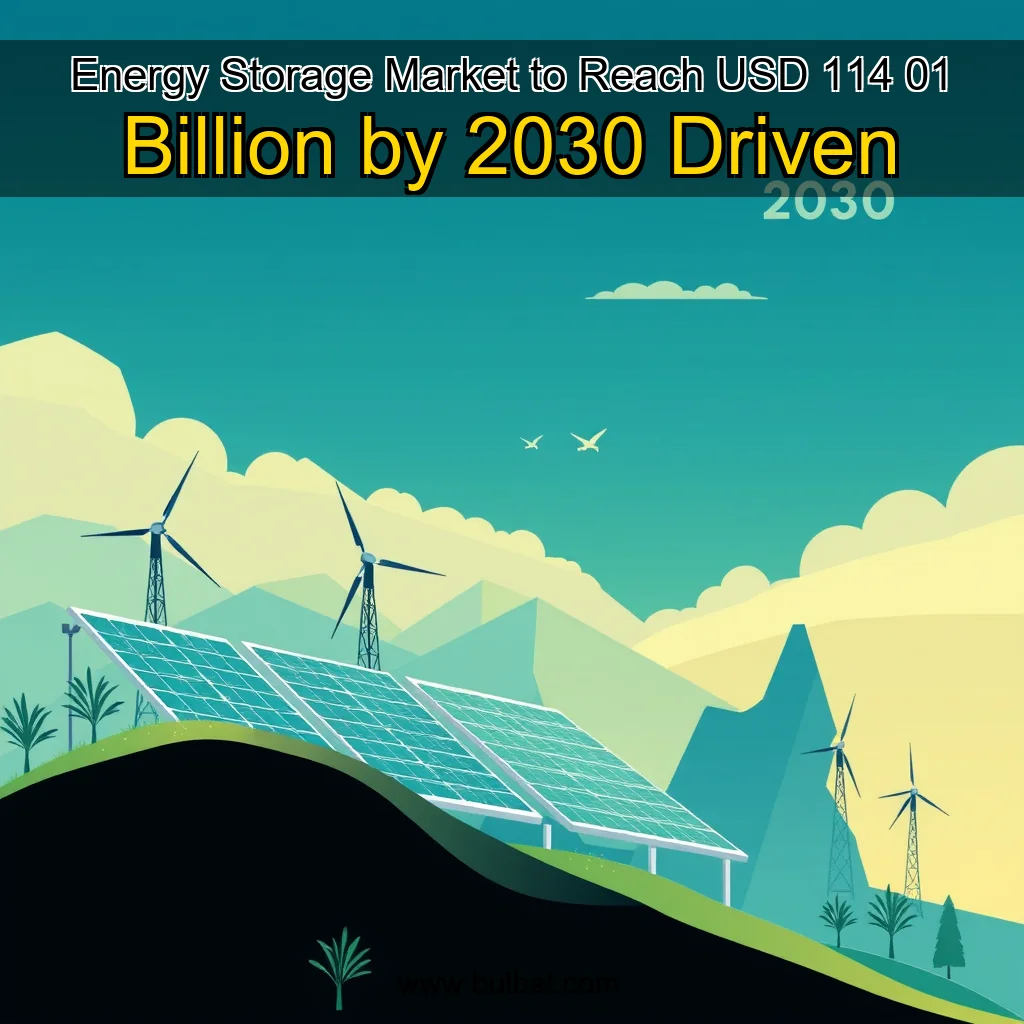
The market is expected to experience significant growth due to increasing demand for renewable energy sources and the need for energy storage solutions to stabilize the grid.
The Growing Demand for Renewable Energy
The increasing adoption of renewable energy sources such as solar and wind power is driving the growth of the energy storage market. As the world transitions towards a low-carbon economy, the need for energy storage solutions to stabilize the grid and ensure a reliable supply of electricity is becoming more pressing. Key drivers of the growing demand for renewable energy: + Increasing awareness of climate change and its impacts + Government policies and regulations supporting renewable energy + Decreasing costs of renewable energy technologies + Advancements in energy storage technologies
Energy Storage Solutions
Energy storage solutions are designed to address the intermittency of renewable energy sources. These solutions can be categorized into two main types: battery-based and non-battery-based.
In this article, we will explore the various types of energy storage systems and their applications.
Types of Energy Storage Systems
Battery Energy Storage Systems (BESS)
Pumped Hydro Storage (PHS)
Compressed Air Energy Storage (CAES)
The Rise of Energy Storage Systems (ESS)
The integration of Energy Storage Systems (ESS) into modern electrical grids is revolutionizing the way we think about energy distribution and consumption. ESS, which include batteries, supercapacitors, and other advanced technologies, are designed to store excess energy generated by renewable sources, such as solar and wind power, during periods of low demand. This stored energy can then be released during periods of high demand, helping to stabilize the grid and ensure a reliable supply of electricity.
Benefits of ESS
Energy Storage Solutions Are Becoming Increasingly Crucial in Ensuring a Stable and Reliable Energy Supply.
Solar Power: Increasingly popular due to decreasing costs and environmental benefits. Wind Power: Expanding rapidly, driven by declining costs and government incentives.
The Future of Energy Storage: A Diverse and Evolving Landscape
The energy storage landscape is undergoing a significant transformation, driven by technological advancements, declining costs, and shifting environmental priorities. As the world transitions towards a more sustainable and renewable energy-based economy, energy storage solutions are becoming increasingly crucial in ensuring a stable and reliable energy supply.
Batteries: The Dominant Segment
Batteries are currently the dominant segment in the energy storage market, accounting for over 70% of the total market share. This is due to their versatility, reliability, and declining costs.
Africa: Growing demand for energy storage solutions, driven by increasing energy access and electrification efforts.
The Rise of Energy Storage Systems (ESS) in North America
The North American energy landscape is undergoing a significant transformation, driven by the growing demand for renewable energy sources. As the continent transitions towards a more sustainable future, energy storage systems (ESS) are playing a crucial role in ensuring a stable and reliable energy supply.
Key Drivers of Growth
Panasonic Corporation: A Japanese multinational conglomerate with a significant presence in battery technology and energy storage systems.
Introduction
The world of energy storage is rapidly evolving, driven by the increasing demand for sustainable and efficient solutions. Companies like GS Yuasa Corporation, Contemporary Technology Co. Limited (CATL), BYD Co.
Market Overview
The Thermal Energy Storage Market is a rapidly growing industry, driven by increasing demand for renewable energy sources and the need for energy storage solutions. The market size is projected to reach $1.4 billion by 2025, growing at a CAGR of 12.5% from 2020 to 2025.
Market Segmentation
The Thermal Energy Storage Market is segmented into four categories: type, application, technology, and region. The type segment includes solid, liquid, and phase-change materials, while the application segment includes heating, cooling, and power generation. The technology segment includes thermal energy storage systems, thermal energy storage tanks, and thermal energy storage materials.
The Importance of Energy Storage Systems
Energy storage systems are becoming increasingly crucial in the transition to a low-carbon economy. As the world shifts towards renewable energy sources, the need for reliable and efficient energy storage solutions has never been more pressing.
Mordor Intelligence provides a unique blend of quantitative and qualitative research methodologies, combining the strengths of both to deliver actionable insights to clients.
The Power of Domain Expertise
Mordor Intelligence’s extensive network of domain experts and on-ground specialists is the backbone of its research capabilities. With over 550 professionals working across 150+ countries, the company boasts an unparalleled level of geographical and industry coverage.
Copy Please set a link in the press area of your homepage to this press release on openPR. openPR disclaims liability for any content contained in this release.