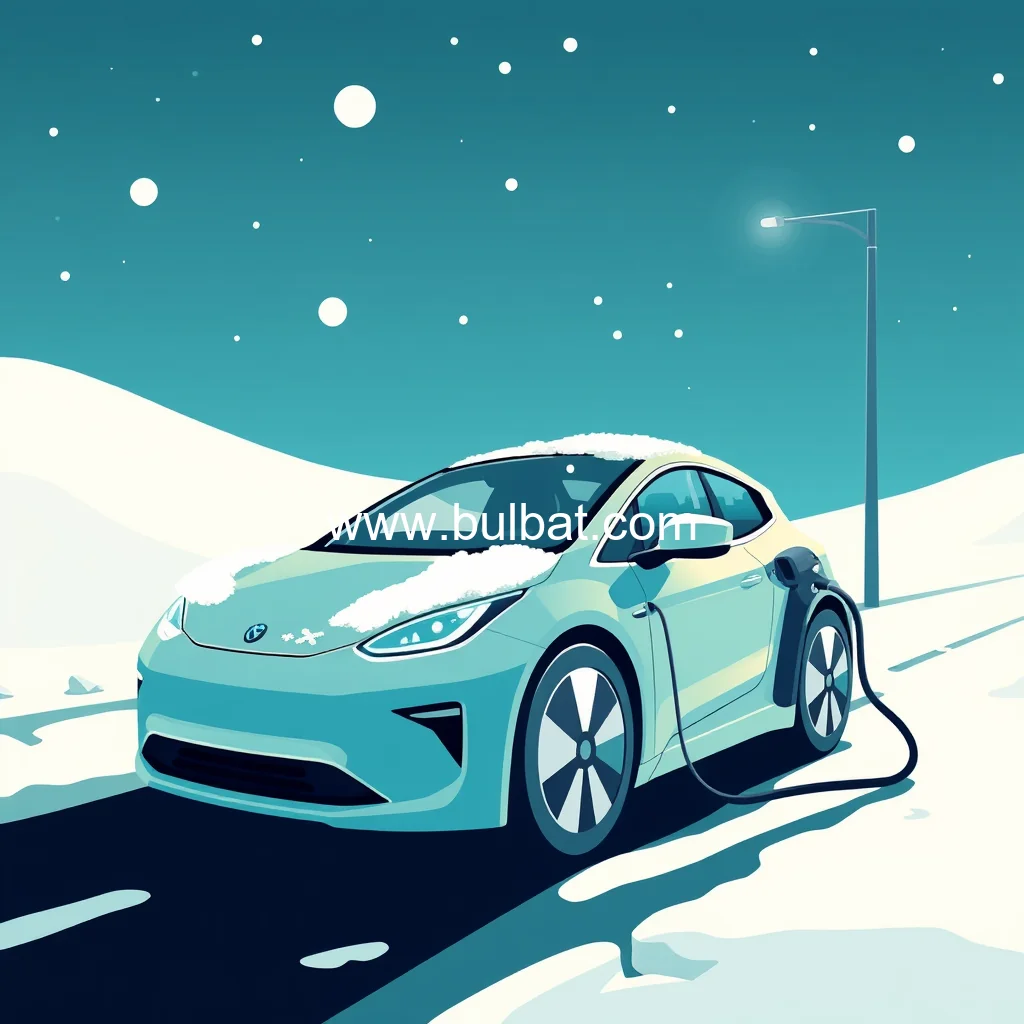
Cold weather battery degradation: The chill is on for electric vehicles.
This phenomenon is known as “cold weather battery degradation.” In this article, we’ll delve into the reasons behind this issue and explore potential solutions to mitigate its effects.
Understanding Cold Weather Battery Degradation
Cold weather battery degradation occurs when the battery’s performance is severely impacted by low temperatures. This is because most EV batteries are designed to operate within a specific temperature range, typically between 32°F and 95°F (0°C and 35°C). When the temperature drops below this range, the battery’s ability to hold a charge and provide power is significantly reduced. The main culprit behind cold weather battery degradation is the reduction in battery chemistry’s reactivity. At lower temperatures, the chemical reactions that occur within the battery slow down, leading to a decrease in the battery’s overall performance. Another factor contributing to cold weather battery degradation is the increase in internal resistance. As the temperature drops, the battery’s internal components become less efficient, causing the battery to heat up and lose its ability to hold a charge.*
The Impact on EV Owners
Cold weather battery degradation can have significant consequences for EV owners, particularly those who live in areas with harsh winters.
Cold Weather Can Cut Electric Vehicle Range by Up to 30 Percent.
The Impact of Winter on Electric Vehicle Performance
As the temperatures drop, electric vehicles (EVs) face a unique set of challenges that can significantly impact their performance. The primary concern is the reduction in range, which can be as high as 20-30 percent in freezing conditions. This means that drivers may need to plan their routes and charging stops more carefully to ensure they have enough power to reach their destinations.
Factors Affecting EV Range in Winter
Several factors contribute to the decrease in EV range in winter:
Electric Vehicle Charging Infrastructure: A Growing Concern
The world is shifting towards electric vehicles (EVs) as a sustainable alternative to traditional fossil fuel-based transportation. However, the widespread adoption of EVs is hindered by the lack of charging infrastructure. This is a pressing concern for EV manufacturers, policymakers, and consumers alike.
The Challenges of Charging Infrastructure
The Role of EV Manufacturers
EV manufacturers are taking proactive steps to address these challenges. Some of the key initiatives include:
The Importance of Charging Infrastructure for Policymakers
Policymakers play a crucial role in addressing the challenges of charging infrastructure. Some of the key strategies include: