President Trump’s Ambitious AI Goals and Fossil Fuel Focus
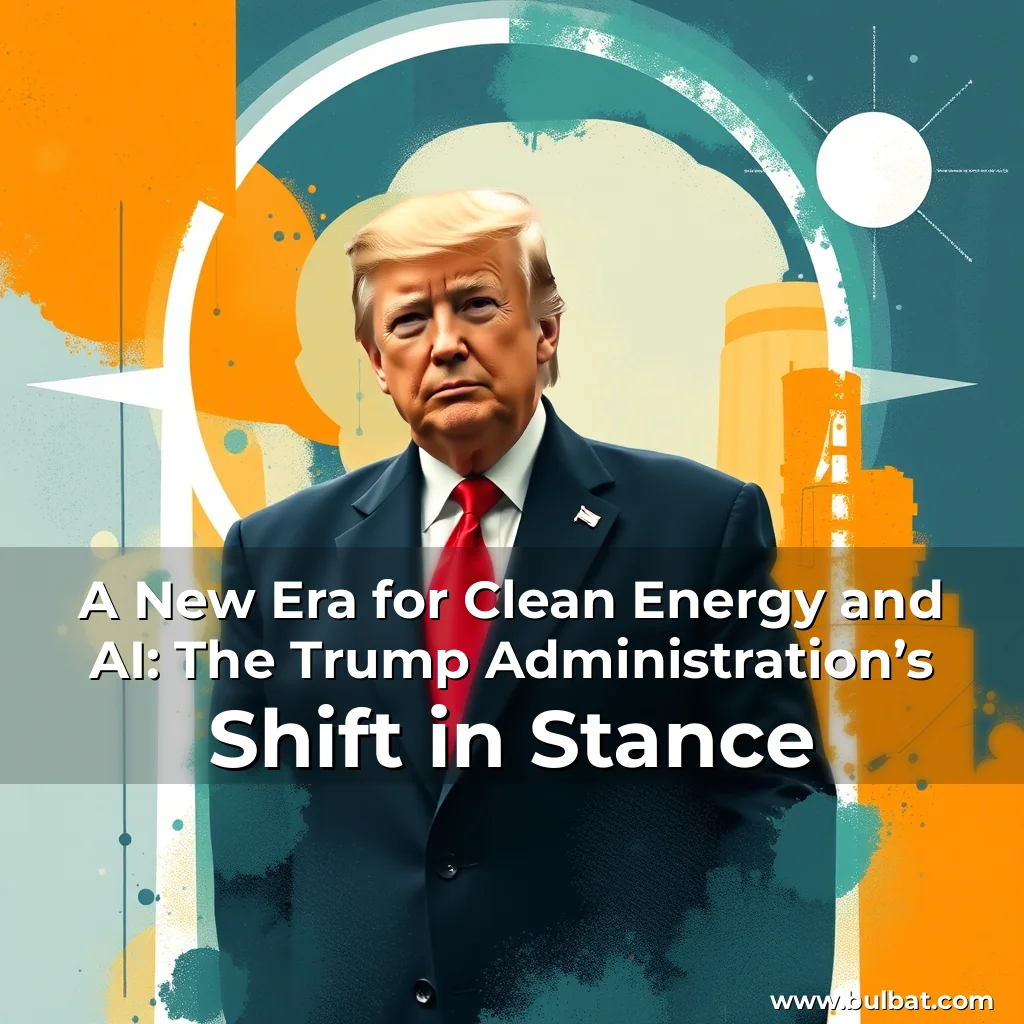
In January 2025, President Donald Trump made a striking statement at the World Economic Forum, proclaiming that the United States needs to double its energy resources to power Artificial Intelligence (AI) and other advanced technologies. This announcement was part of his larger initiative, Project Stargate, which aimed to expand AI infrastructure, including the energy resources that power it. However, the focus on fossil fuels to meet this demand has raised concerns about the environment and the long-term sustainability of AI growth.
The Energy Demands of Data Centers
Data centers are the backbone of modern AI, consuming massive amounts of energy to power their complex systems. In the United States, data centers strain the existing electric grid, accounting for 3.7% of total power demand in 2023. This demand is expected to increase significantly, reaching 11.7% by 2030 and potentially exceeding the current electric consumption of Japan by 2026. To mitigate this strain, wind and solar-generated power combined with Battery Energy Storage Systems (BESS) can provide a reliable solution.
Renewable Energy Options
Several factors make renewable energy options more viable for data centers. The Trump administration’s efforts to develop clean energy infrastructure have made it more accessible and economical. For instance, the Department of Energy’s Loan Programs Office (LPO) has granted billions of dollars in loans to private companies, supporting the development of solar, wind, and BESS technology. This has enabled companies to procure renewable energy through Power Purchase Agreements with local utilities, reducing their reliance on fossil fuels.
Industry Shifts Towards Clean Energy
The private sector is already embracing clean energy sources. Data center developers like Amazon and Microsoft are investing in renewable energy through Power Purchase Agreements. Google and Microsoft have pledged to transition their data centers to 100% renewable energy, recognizing the importance of clean energy in reducing their carbon footprint.
Contradictions in the Trump Administration’s Rhetoric
Despite the president’s focus on fossil fuels, the administration’s actions and rhetoric towards clean energy have been contradictory. The president has issued memos calling for a federal funding freeze, which has revoked funding for clean energy projects. However, he has also approved loans for sustainable aviation and other clean energy initiatives. This inconsistency highlights the tension between the administration’s commitment to fossil fuels and its growing recognition of the importance of clean energy.
Experts, including former Department of Energy director Jigar Shah, believe that the Trump administration will eventually adopt clean energy solutions for AI projects. Shah notes that new infrastructure will be available by 2026, allowing for the integration of clean energy sources. Republican lawmakers are also shifting their stance on clean energy, embracing the “energy dominance” narrative and recognizing the importance of diverse energy sources.
As clean energy becomes more integral to the US energy landscape, it is essential to de-emphasize the “green” label and make it a more neutral term. This shift in perception will help clean energy progress and provide a practical option for powering proliferating data centers and decarbonizing industries. As clean energy becomes more mainstream, it is essential to recognize its importance and adapt our language to reflect its growing significance.
- Renewable energy sources, such as wind and solar power, can provide a reliable solution for data centers.
- The Trump administration’s efforts to develop clean energy infrastructure have made it more accessible and economical.
- Industry leaders like Amazon and Microsoft are investing in renewable energy through Power Purchase Agreements.
| Year | Renewable Energy Capacity |
|---|---|
| 2023 | 147 TWh |
| 2026 | 1000 TWh |
“Data centers are a key part of Google’s journey toward net-zero carbon,” says Google.