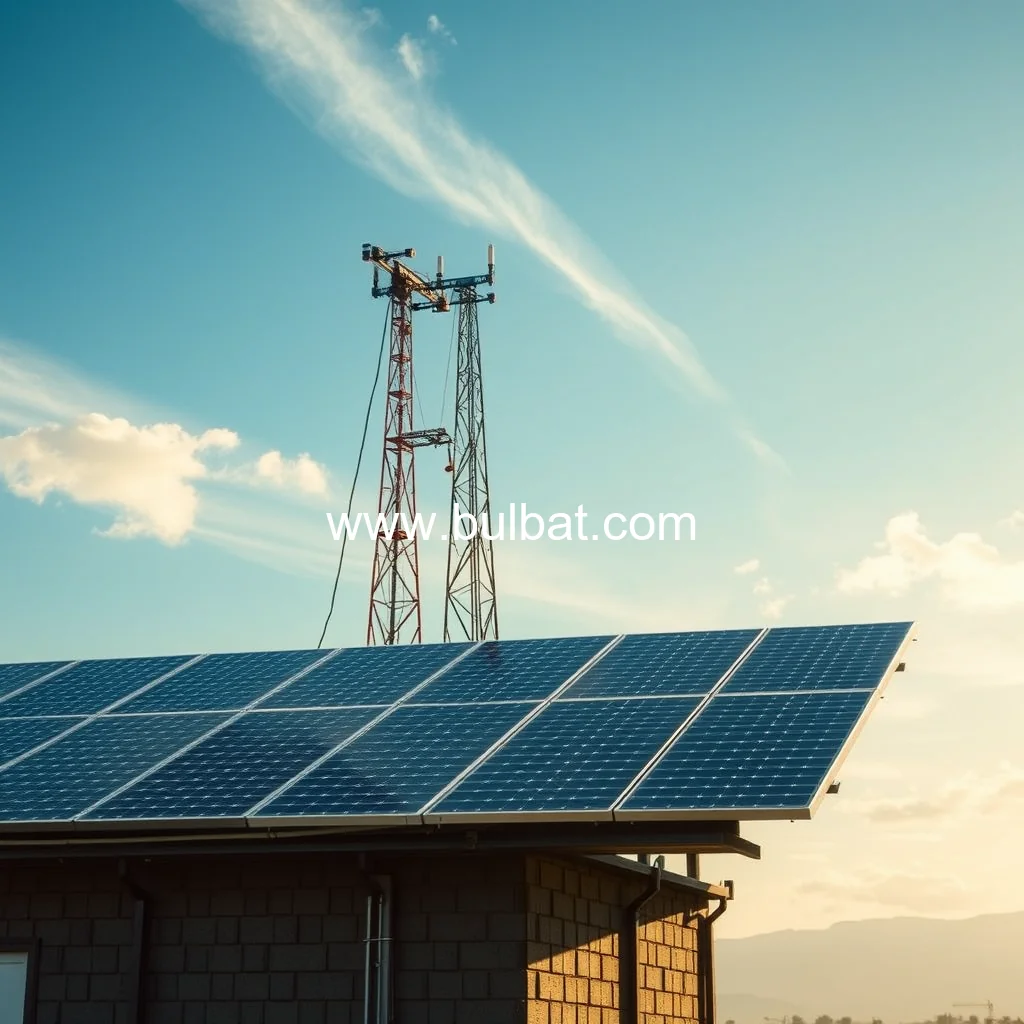
This is why we see a lot of solar panels installed on rooftops, but not enough large-scale solar farms. The same goes for wind energy. The lack of large-scale wind farms is due to the regulatory environment that favors the interests of the utilities over those of the renewable energy sector.
The Problem with Our Regulatory Environment
The regulatory environment in California is designed to favor the interests of the monopoly utilities. These utilities, such as Pacific Gas and Electric (PG&E) and Southern California Edison (SCE), have a monopoly on the energy market in their respective regions. This means they have a significant amount of power and influence over the energy landscape. The regulatory environment is designed to prioritize the interests of the utilities over those of the renewable energy sector. The utilities have a strong lobby that influences policy decisions. The regulatory environment is often opaque and difficult to navigate.
The Impact on Renewable Energy
The lack of large-scale renewable energy infrastructure in California has significant consequences for the environment and the economy. Some of the impacts include:
Transmission costs remain high due to lack of competition and incentives for efficiency.
The lack of competition and the lack of incentives for efficiency are the main reasons for the high costs of transmission. The lack of competition is due to the lack of open access to the grid, which prevents new entrants from joining the market. The lack of incentives for efficiency is due to the lack of a robust and transparent pricing mechanism that rewards efficient transmission operators.
California’s Wholesale Electricity Market Crisis
In the early 2000s, California’s wholesale electricity market faced a severe crisis. The state’s power grid was unable to meet the demand for electricity, leading to widespread power outages and a significant increase in electricity prices. This crisis highlighted the need for a more efficient and reliable transmission system.
The Current State of Transmission Costs
Today, the costs of transmission in California are still high, and there is no incentive for efficiency. The lack of competition and the lack of incentives for efficiency are the main reasons for these high costs. This means that existing transmission operators have a monopoly on the market, and there is no pressure to innovate or improve efficiency. The lack of open access to the grid means that new entrants cannot build new transmission lines or upgrade existing ones without permission from the existing operators.
However, the fact that solar energy is curtailed more than any other source of energy is a cause for concern.
The Solar Energy Conundrum
The solar industry has grown exponentially over the past decade, with solar energy becoming a significant contributor to the global energy mix. However, as the demand for solar energy increases, so does the challenge of integrating it into the existing energy infrastructure. One of the major concerns is the intermittent nature of solar energy, which makes it difficult to predict and manage.
The Problem of Intermittency
Solar energy is generated when the sun is shining, but it’s not always shining. On cloudy days, at night, or during periods of low solar radiation, the energy production drops significantly. This intermittency makes it challenging for grid operators to predict and manage the energy supply. As a result, solar energy is often curtailed, meaning it’s not used to meet the energy demand. Key statistics: + 30-40% of solar energy is curtailed on cloudy days + 50-60% of solar energy is curtailed at night + 70-80% of solar energy is curtailed during periods of low solar radiation
The Impact on the Grid
The curtailment of solar energy has significant implications for the grid. When solar energy is curtailed, it means that the energy that could have been generated is not used, and the grid is not able to meet the energy demand.
Solar energy faces significant challenges related to affordability and reliability.
The Solar Energy Conundrum
The solar industry has experienced tremendous growth in recent years, with the global solar market size projected to reach $1.5 trillion by 2028. However, despite its rapid expansion, the solar energy sector still faces significant challenges related to affordability and reliability.
Affordability Concerns
One of the primary concerns surrounding solar energy is its high upfront cost. The average cost of solar panels has decreased over the years, but it still remains a significant barrier to adoption for many households and businesses. According to the National Renewable Energy Laboratory (NREL), the average cost of solar panels in the United States is around $2.96 per watt. While this cost has decreased by over 70% in the last decade, it still represents a substantial investment for many individuals and organizations. Key factors contributing to the high upfront cost of solar panels include:
- Material costs (e.g., silicon, aluminum)
- Manufacturing and labor costs
- Installation and maintenance costs
- Energy Independence: With a rooftop solar system and battery bank, you can generate your own electricity and store it for later use, reducing your reliance on the grid. Reduced Energy Bills: By generating your own electricity, you can significantly reduce your energy bills and save money on your utility bills. Increased Energy Security: With a battery bank, you can store excess energy generated during the day for use during periods of high energy demand, such as during power outages. * Environmental Benefits: Rooftop solar with batteries is a clean and renewable source of energy, reducing your carbon footprint and contributing to a more sustainable future. ## A Personal Experience with Rooftop Solar with Batteries**
- Reduced greenhouse gas emissions, which contribute to climate change
- Improved air quality, leading to better health outcomes for communities
- Energy independence, reducing reliance on imported fossil fuels
- Job creation and economic growth in the renewable energy sector
- Solar panels generate electricity, which is then used to power a desalination plant
- The desalination plant uses reverse osmosis or other technologies to remove salt and other minerals from seawater
- The resulting fresh water is then distributed to communities in need
- The cost of solar panels has decreased dramatically over the years, making them more affordable for individuals and businesses.
The bill, which was passed in 2015, would have required banks to invest in renewable energy projects, such as wind farms or solar panels, in order to avoid paying a penalty.
The Problem with the Bill
The bill, which was passed in 2015, was intended to encourage banks to invest in renewable energy projects. However, critics argue that it would have had a devastating impact on the banking industry. The penalty for not investing in renewable energy would have been a 0.5% tax on the bank’s assets. This may seem like a small amount, but it would have added up to billions of dollars in penalties for large banks. The bill would have required banks to invest in renewable energy projects, such as wind farms or solar panels, in order to avoid paying the penalty.
No profit-oriented corporation is going to take human welfare into account. Betsy Rothstein, Long Beach
Reliability Concerns
Another significant challenge facing the solar industry is reliability. Solar panels can be affected by various factors, including weather conditions, panel quality, and maintenance.
The Benefits of Rooftop Solar with Batteries
Rooftop solar with batteries is a game-changer for homeowners who want to reduce their reliance on the grid and enjoy the benefits of renewable energy. Here are some of the key advantages of this setup:
A Personal Experience with Rooftop Solar with Batteries
As a homeowner in Southern California, I have experienced firsthand the benefits of rooftop solar with batteries. During a recent public safety power shutoff by Southern California Edison, my rooftop solar system with battery bank kept my home working smoothly, even when the grid was down. No Power Outage: With my rooftop solar system and battery bank, I was able to continue using my home’s appliances and lights, even during the power outage. Reduced Stress: I didn’t have to worry about the power outage, and I was able to stay connected to the internet and enjoy my home’s comforts.
This can provide clean drinking water for millions of people in coastal areas.
The Importance of Renewable Energy
Renewable energy sources, such as solar and wind power, are becoming increasingly important as the world transitions away from fossil fuels. Jed Fuhrman, a leading expert in the field, emphasizes the need for these clean energy sources to address the pressing issue of global energy security.
The Benefits of Renewable Energy
Renewable energy has numerous benefits, including:
The Role of Solar Power in Desalination
Solar power can play a crucial role in desalination, a process that removes salt and other minerals from seawater to produce fresh water. The excess power generated from solar panels can be used to operate desalination plants along the coast, providing clean drinking water for millions of people in coastal areas.
How Solar Power Works in Desalination
The process of using solar power in desalination involves the following steps:
The Potential for Solar Power to Address Global Water Scarcity
The potential for solar power to address global water scarcity is significant.
The Sacramento–San Joaquin River Delta is a vital ecosystem that provides numerous benefits to the region, including water supply, fish and wildlife habitat, and recreational opportunities.
The Sacramento-San Joaquin River Delta: A Crucial Ecosystem
The Sacramento-San Joaquin River Delta is a vital component of the California water system, providing numerous benefits to the region.
The financial losses are staggering, with estimates suggesting that the state’s solar power industry is losing around $1.5 billion annually. This is not just a financial issue; it’s also a moral and environmental one.
The Problem of Solar Power in California
California’s solar power industry is booming, with thousands of solar panels installed across the state. However, the financial reality is far from rosy. The state’s reliance on solar power has led to a significant increase in electricity costs for Californians. This is largely due to the fact that solar power is not always available when it’s needed most.