The Rise of Battery-Free Solar Systems
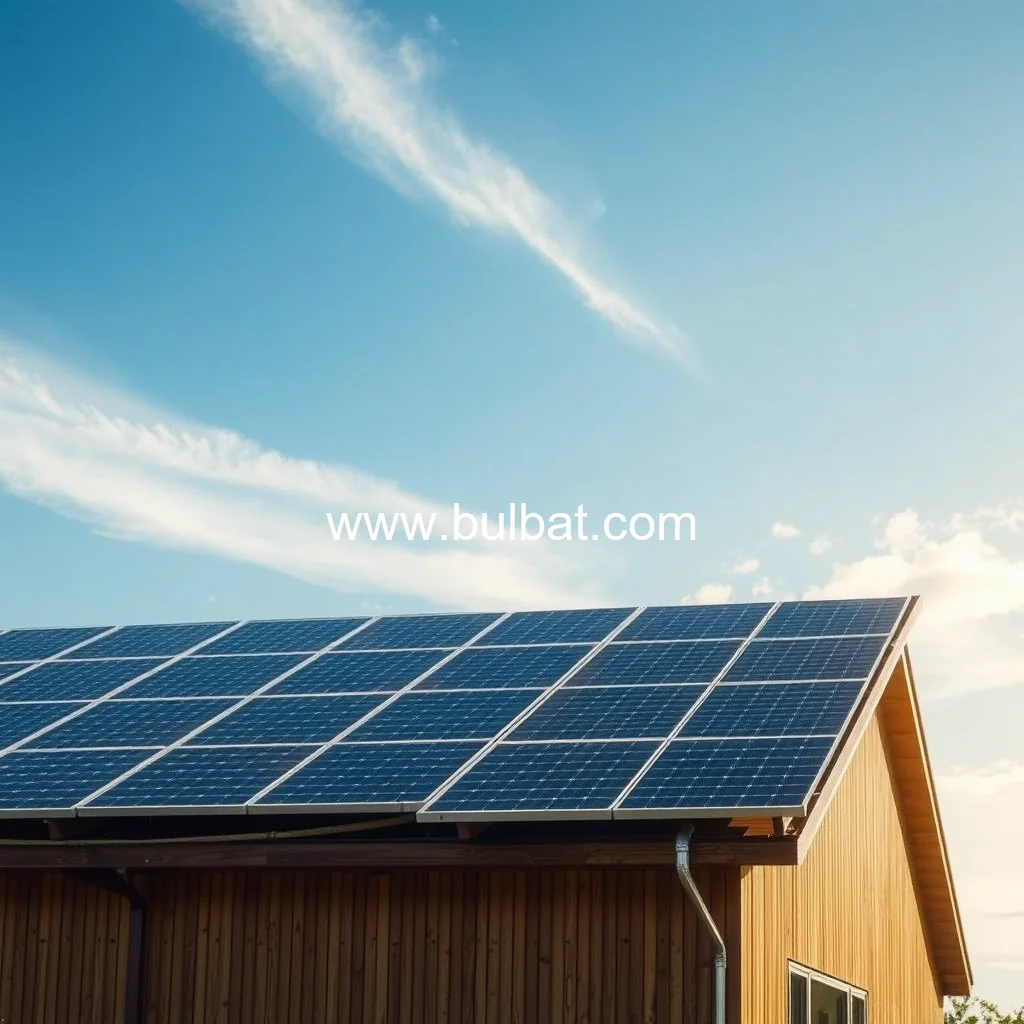
In recent years, Australians have been embracing renewable energy sources, and one of the most popular alternatives to traditional solar systems is the battery-free solar system.
With a battery-free system, you can start using the electricity generated by your solar panels as soon as they are connected to the grid. This means you can start saving on your electricity bills right away, without having to wait for the battery to charge.
Benefits of Battery-Free Systems
Reduced Complexity and Maintenance
Battery-free systems are generally less complex and require less maintenance than systems with batteries. This is because they do not have the added complexity of battery management systems, which can be prone to errors and require regular maintenance. Fewer components to manage
Immediate Savings
Unlike battery storage, the grid-tied solar system lets you start saving on your electricity bills immediately. No waiting period for battery charging
Environmental Benefits
Battery-free systems also have environmental benefits. They do not require the use of toxic materials, such as lead or mercury, which are often used in battery storage systems.
Benefits of Grid-Tied Systems
Grid-tied systems have several advantages that make them an attractive option for many homeowners. Some of the key benefits include:
Limitations of Grid-Tied Systems
While grid-tied systems have several advantages, they also come with some limitations that might make them less appealing to certain homeowners.
If you have a solar battery, you can store excess energy generated by your solar panels during the day and use it at night or during periods of low sunlight.
The Benefits of Solar Batteries
Solar batteries offer several benefits, including:
How Solar Batteries Work
Solar batteries work by storing excess energy generated by your solar panels during the day and releasing it at night or during periods of low sunlight. Here’s a step-by-step explanation of how they work:
Types of Solar Batteries
There are several types of solar batteries available, including:
Harness the Power of the Sun Without the Hassle of Batteries.
Understanding the Benefits of a Battery-Free Solar System
A battery-free solar system is an innovative approach to harnessing the power of the sun. This system relies on the grid to provide energy during periods of low solar generation, eliminating the need for batteries. By understanding the benefits of a battery-free system, homeowners can make an informed decision about their solar energy needs.
Key Benefits of a Battery-Free Solar System
Hybrid systems can be customized to meet specific energy needs and can be more cost-effective than traditional battery-based systems.
Hybrid Solar Systems: A Flexible and Cost-Effective Option
Understanding Hybrid Solar Systems
Hybrid solar systems are a type of solar energy system that combines the benefits of solar panels, batteries, and the grid.
In this article, we’ll delve into the limitations and challenges of battery-free solar systems, exploring their potential drawbacks and the factors that influence their performance.
Understanding the Basics of Battery-Free Solar Systems
Battery-free solar systems, also known as grid-tie solar systems, are designed to harness the power of the sun and feed it directly into the electrical grid. Unlike traditional solar systems that store excess energy in batteries, battery-free systems rely on the grid to absorb any surplus energy. This approach eliminates the need for battery storage, reducing upfront costs and maintenance requirements.
Key Benefits of Battery-Free Solar Systems
Limitations and Challenges of Battery-Free Solar Systems
While battery-free solar systems offer several advantages, they also come with some significant limitations and challenges.
Factors Influencing Performance
Trade-Offs and Considerations
Battery-free solar systems may not be the best choice for everyone, particularly those with high energy demands or limited grid capacity.
The Rise of Alternative Energy Solutions
The world is shifting towards a more sustainable and environmentally friendly energy landscape. As concerns about climate change and energy security grow, alternative energy solutions are gaining traction. These solutions offer a promising way to reduce our reliance on fossil fuels and mitigate the negative impacts of traditional energy sources.