
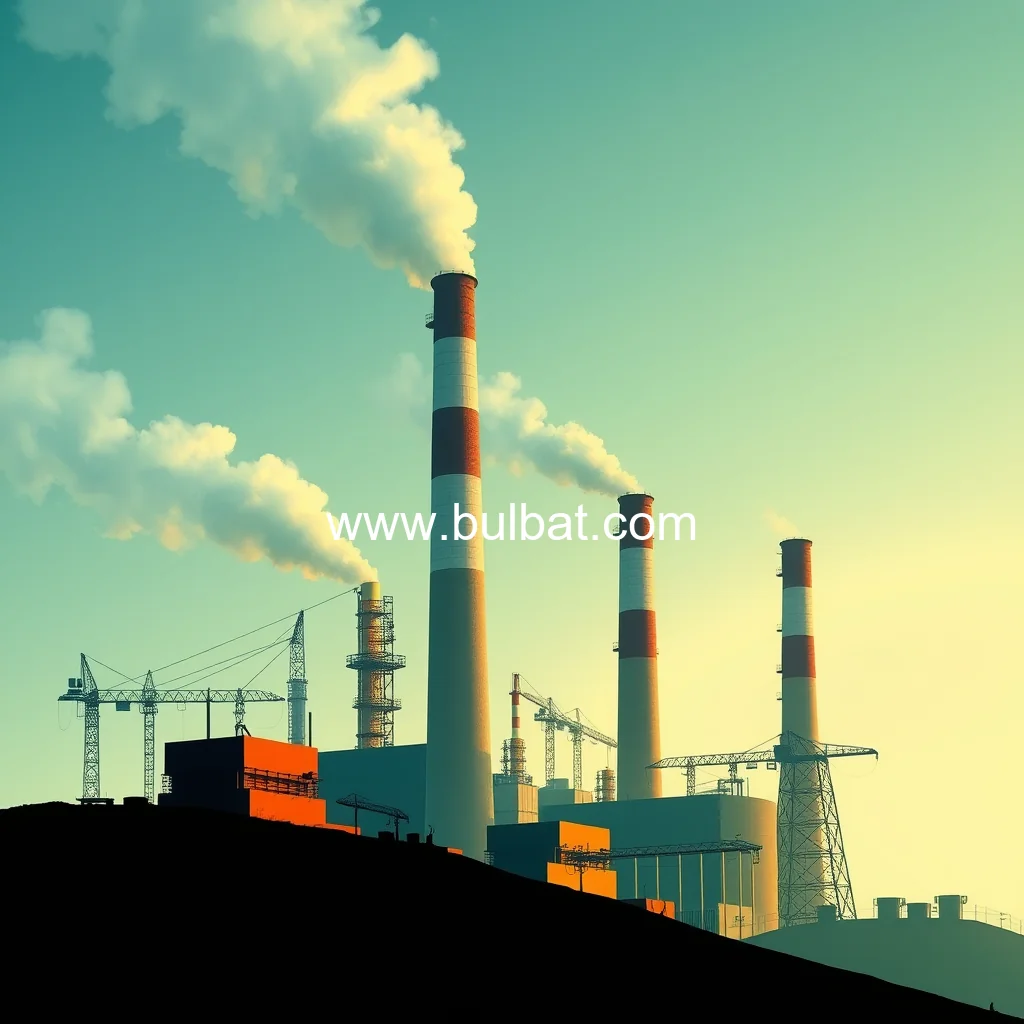
The Road to 2035: A Global Challenge
The 1.5°C pathway is a critical benchmark for the UNFCCC’s goal of limiting global warming to 1.5°C above pre-industrial levels. Meeting this target requires a drastic reduction in greenhouse gas emissions, which is a daunting task for many countries. The third round of NDCs presents a significant opportunity for countries to reassess their climate commitments and make necessary adjustments to achieve the 1.5°C goal.
Key Challenges
Opportunities for Action
India’s Nationally Determined Contributions (NDCs) are a crucial part of the Paris Agreement. NDCs are the country’s commitment to reducing greenhouse gas emissions and meeting the goals of the Paris Agreement. The revised NDCs set a target of reducing India’s carbon footprint by 45% by 2030.
The Impact of Climate Change on India
Climate change is having a profound impact on India, with rising temperatures, changing weather patterns, and increased frequency of extreme weather events. The country is already experiencing the effects of climate change, with rising sea levels, more frequent droughts, and increased heatwaves. The impact of climate change on India is not limited to the environment; it also has significant social and economic implications. Rising temperatures are leading to increased heat-related illnesses and deaths, particularly among vulnerable populations such as the elderly and young children. Changes in weather patterns are affecting agricultural productivity, leading to crop failures and reduced yields.
The report highlights the potential of carbon capture, utilisation and storage (CCUS) as a key technology to reduce emissions from the power sector.
The Power Sector’s Emissions Problem
The power sector is the largest contributor to global emissions, accounting for 15.1 gigatonnes of carbon dioxide equivalent per year in 2023. This is a significant challenge for the world, as the power sector is a major source of greenhouse gas emissions. The report emphasizes the need for a comprehensive approach to reduce emissions from the power sector, and carbon capture, utilisation and storage (CCUS) is identified as a key technology to achieve this goal.
The Potential of Carbon Capture, Utilisation and Storage (CCUS)
CCUS is a technology that captures carbon dioxide emissions from power plants and industrial processes, and then stores it underground or uses it in products such as concrete, chemicals, and fuels.
Energy Storage Opportunities in India
India has a vast potential for energy storage, which can help reduce its reliance on fossil fuels and mitigate climate change. According to Saraswat, the country can store renewable energy and reduce its carbon footprint by 1.3 million tonnes of CO2 emissions.
Types of Energy Storage Systems
There are several types of energy storage systems that can be used in India, including:
“We need to encourage more states to adopt this technology.”
India’s Plan to Reduce Carbon Emissions
A Shift Towards Renewable Energy
India’s ambitious plan to reduce carbon emissions is centered around a significant shift towards renewable energy sources. The country aims to generate 40% of its electricity from non-fossil fuels by 2030, a goal that is both challenging and crucial in the fight against climate change.
Key Strategies
To achieve this goal, the Indian government has identified several key strategies:
Benefits of Renewable Energy
Renewable energy sources such as solar and wind power have several benefits, including: