The Future is Stored: How Electricity Storage Powers Sustainable Living
In an era where renewable energy sources like solar and wind are reshaping our power grids, the ability to store electricity has become essential for ensuring reliability and efficiency. As communities around the world embrace cleaner energy solutions, understanding how we can effectively capture, preserve, and utilize electrical energy when it’s most needed has never been more critical.
This exploration delves deep into the world of electricity storage technologies, explaining their importance, types, applications, challenges, future innovations, and practical considerations for individuals and communities seeking sustainable power solutions.
The Growing Importance of Electricity Storage
Electricity storage plays a pivotal role in modernizing energy systems by addressing key limitations inherent in traditional power generation methods. Unlike fossil fuel-based plants that provide constant output, renewables such as solar panels generate electricity intermittently based on weather conditions and time of day.
This variability necessitates advanced storage solutions that allow excess energy produced during peak production times to be saved for later use when demand exceeds supply. By doing so, stored electricity helps stabilize grid operations while reducing reliance on non-renewable resources.
Storage also enables microgrids and off-grid living scenarios, which are becoming increasingly popular among environmentally conscious consumers looking to minimize their carbon footprint through localized energy management strategies.
Moreover, electricity storage enhances overall system resilience against blackouts caused by extreme weather events or infrastructure failures. It provides backup power capabilities crucial for maintaining uninterrupted service across various sectors including healthcare facilities, emergency services, and residential areas.
- Battery technology advancements: Lithium-ion batteries have emerged as leading contenders due to improvements in energy density, charging speeds, and lifespan compared to older lead-acid alternatives.
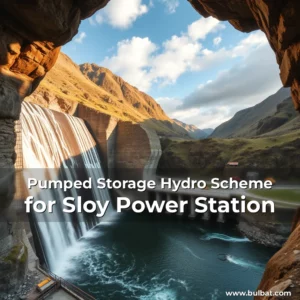
- Pumped hydro storage remains dominant globally: Utilizing gravitational potential energy by moving water between two reservoirs at different elevations allows efficient long-term storage but requires suitable geographical features.
Types of Electricity Storage Technologies
Diverse technological approaches exist within the field of electricity storage each offering distinct advantages depending on application requirements and environmental factors. One prominent category includes electrochemical storage devices primarily focused on battery technologies capable of storing chemical energy until required for discharge.
Another significant method involves mechanical storage techniques leveraging physical movement principles such as flywheels or compressed air systems designed specifically for rapid response needs typical in frequency regulation tasks associated with smart grid implementations.
Thermal storage solutions represent yet another viable option particularly relevant for industrial processes requiring consistent heat input over extended periods.
Lastly there’s electromagnetic storage utilizing superconducting magnetic coils able to retain electrical charge indefinitely provided they remain cooled below critical temperatures – though currently limited mainly to research environments rather than widespread commercial deployment.
Lithium-Ion Batteries Lead the Charge
Lithium-ion batteries have revolutionized portable electronics markets since their introduction decades ago now finding new applications across automotive industries and stationary energy storage projects worldwide. Their high energy densities enable compact designs ideal both for consumer products and utility-scale installations.
According to recent reports from industry analysts, global lithium-ion battery capacity installations surged past 8 gigawatt-hours annually reaching nearly double previous estimates within just five years showcasing remarkable growth trajectories expected continue expanding rapidly.
Governments investing heavily into electrification initiatives further accelerate adoption rates especially noticeable in countries prioritizing net-zero emissions targets aligning closely with international climate agreements aimed at curbing greenhouse gas emissions significantly before mid-century mark.
However despite these positive trends several technical hurdles persist regarding resource availability sustainability concerns related extraction processes plus recycling infrastructures still under development posing challenges toward achieving full lifecycle optimization goals set forth by eco-conscious stakeholders.
Applications Across Industries and Communities
Electricity storage finds diverse applications spanning multiple domains transforming conventional operational models towards greater flexibility and self-sufficiency. In urban centers deploying distributed generation networks combined with local storage capacities facilitates smarter load balancing minimizing strain on centralized transmission lines during peak hours.
Rural communities benefit immensely from decentralized storage units enabling them access reliable power supplies even amidst unpredictable climatic patterns affecting remote locations traditionally underserved by conventional grid connections.
Industrial sectors leverage specialized storage configurations tailored precisely according to process demands allowing precise control over timing intervals ensuring optimal utilization levels without unnecessary waste occurrences disrupting productivity cycles unnecessarily.
Emergency preparedness programs incorporate strategic placement decisions concerning mobile storage assets ready deployed swiftly post-disaster incidents restoring vital functions promptly safeguarding public welfare interests efficiently.
Economic Impacts and Investment Trends
The economic implications surrounding electricity storage extend beyond mere cost-benefit analyses encompassing broader socioeconomic transformations influencing job creation opportunities regional development trajectories along with regulatory frameworks governing market dynamics.
Investment flows directed toward emerging storage ventures reflect growing confidence held by private investors alongside governmental bodies recognizing strategic value embedded within scalable clean tech platforms poised deliver substantial returns over medium-to-long term horizons.
Fiscal incentives implemented through subsidies tax credits grants create favorable business climates encouraging innovation pursuits driving down manufacturing costs enhancing accessibility levels thereby democratizing once exclusive luxury items previously confined elite segments alone.
Furthermore ancillary benefits arise naturally from widespread implementation efforts contributing positively towards national security objectives strengthening defense capabilities through enhanced readiness states achievable via resilient infrastructure components inherently resistant hostile disruptions attempts.
Environmental Considerations and Sustainability Challenges
While promoting green transitions through renewable integration electricity storage itself faces scrutiny concerning ecological footprints tied material sourcing processing methodologies disposal practices ultimately shaping holistic impact assessments necessary evaluating true net gains achieved pursuing decarbonization pathways.
Extractive activities involved procuring raw materials like cobalt nickel lithium pose considerable threats ecosystems biodiversity loss habitat fragmentation pollution risks unless stringent governance protocols enforced strictly throughout entire supply chain ecosystems operating transparently accountable manner.
Circular economy principles advocate end-of-life recovery mechanisms targeting component reuse repurposing recycling endeavors aiming eliminate wasteful consumption patterns instead cultivating regenerative paradigms emphasizing continual regeneration restoration rather linear depletion trajectories.
Additionally life cycle analysis tools assist identifying hotspots pinpointing stages requiring intervention improvements optimizing efficiencies reducing emissions intensities throughout complete product journey from inception through decommissioning phases ensuring responsible stewardship maintained consistently across all touchpoints engaged.
Technological Innovations Driving Progress
Ongoing R&D efforts spearhead breakthrough discoveries continuously pushing boundaries redefining what possible envisioning future landscapes defined cutting-edge scientific achievements translating theoretical constructs tangible real-world implementations.
Solid-state battery prototypes exhibit promising characteristics surpassing current liquid electrolyte counterparts featuring higher safety profiles longer shelf lives superior thermal stability making them prime candidates next-generation replacements slated replace incumbents gradually over ensuing decade timeframe.
Nanotechnology interventions enhance electrode structures increasing surface area interactions facilitating faster ion migrations resulting improved performance metrics measurable through elevated round-trip efficiencies reduced degradation rates prolonged functional lifespans.
Artificial intelligence algorithms aid predictive maintenance routines detecting anomalies preemptively mitigating potential failure points extending asset longevity simultaneously lowering operational expenditures incurred routine servicing procedures otherwise mandatory scheduled check-ups typically disruptive normal functioning rhythms.
Community Engagement and Policy Frameworks
Successful implementation of electricity storage solutions hinges upon active participation contributions made residents policymakers planners engineers alike working collaboratively co-create inclusive policies responsive evolving societal needs priorities ensuring equitable distribution benefits accrued derived technological progressions unfolding simultaneously.
Public education campaigns raise awareness dispel misconceptions foster informed decision-making empower citizens engage constructively shape narratives surrounding energy transition journeys undertaken collectively rather individually isolated siloed actions yielding suboptimal outcomes diverging intended objectives.
Policy instruments regulate pricing mechanisms establish fair competition environments prevent monopolistic tendencies protect consumer rights uphold transparency standards guaranteeing trustworthiness integrity upheld throughout sector-wide engagements irrespective stakeholder backgrounds experiences.
Local governments incentivize grassroots level initiatives supporting pilot projects testing novel approaches fostering innovation hubs nurturing entrepreneurial spirit cultivating ecosystem conducive experimentation scaling successful models appropriately contextualized respective jurisdictions considering demographic geographic cultural particularities.
Conclusion
The landscape of electricity storage continues evolving dynamically shaped ongoing technological revolutions coupled shifting geopolitical dynamics reinforcing urgency adopting proactive stances embracing change inevitable trajectory global energy paradigm transformation.
By integrating robust storage solutions into daily life communities can achieve unprecedented degrees autonomy resilience paving way sustainable futures grounded shared responsibility collective action towards common goal securing planet prosperity generations ahead.