The structure is then covered with a waterproof membrane to prevent water from seeping into the system. The modules are connected to the inverter, which converts the DC power to AC power. The inverter is connected to the grid through a transformer, which increases the voltage to match the grid voltage.
Rooftop Solar Installations in India: A Growing Trend
Overview of Rooftop Solar Installations in India
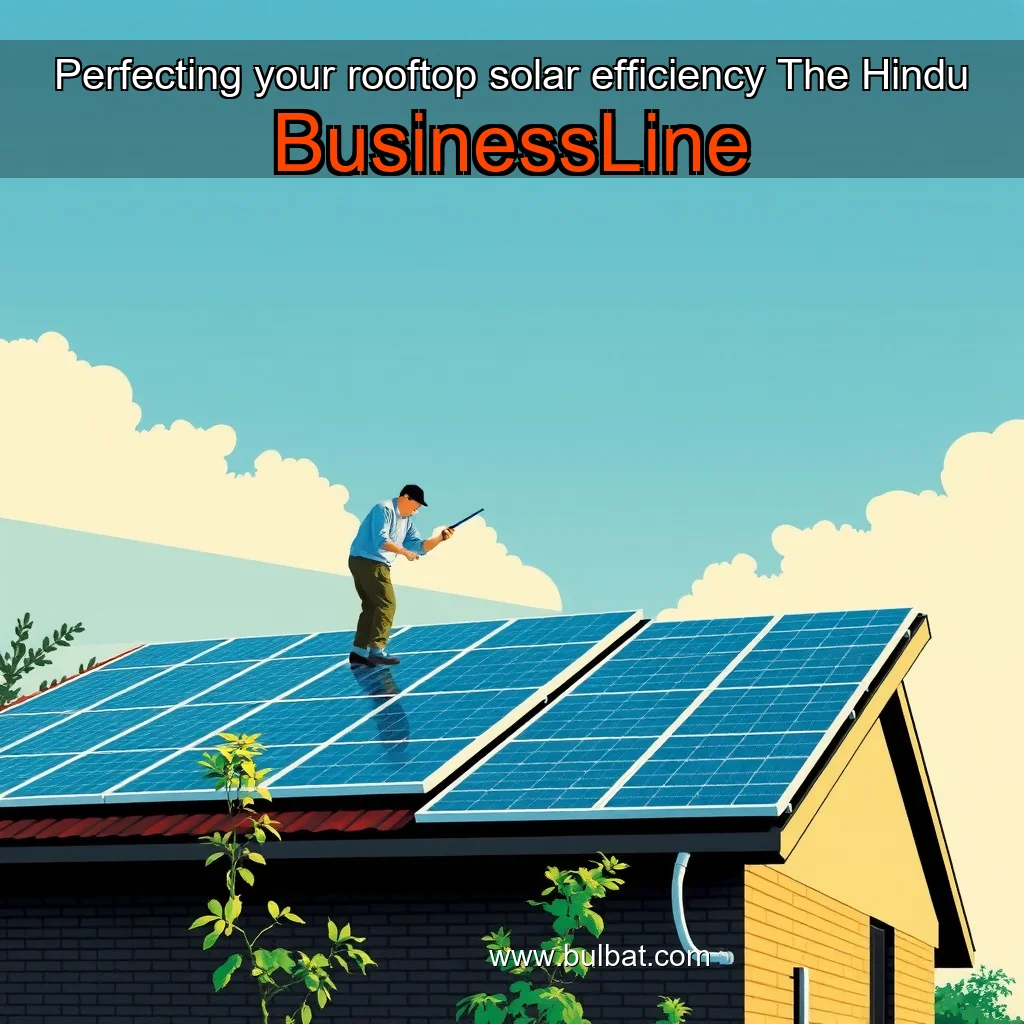
Rooftop solar installations in India have made significant progress in recent years, with the total installed capacity reaching 15 GW. This growth can be attributed to the increasing awareness about renewable energy sources, government incentives, and declining solar panel costs.
Types of Low-Rise Systems
Low-rise systems are designed for areas with limited space and are often used in urban environments. They are typically less than 3 ft above the ground at their lowest point, making them ideal for small gardens, balconies, and patios. Here are some key characteristics of low-rise systems:
In contrast, ground-level installations offer greater flexibility and easier access for maintenance personnel.
Positioning Modules in a Shadow-Free Area
Positioning modules in a shadow-free area is crucial for optimal performance and longevity. Shading can lead to reduced energy efficiency, increased wear and tear on the modules, and even damage to the equipment. To avoid these issues, it’s essential to carefully plan the placement of the modules. Factors to consider when positioning modules include: + Orientation to the sun: Modules should be positioned to maximize exposure to sunlight, taking into account the time of day and season. + Distance from obstructions: Modules should be placed at a safe distance from trees, buildings, and other obstructions that could cast shadows or block sunlight. + Wind direction: Modules should be positioned to minimize the impact of wind, which can cause vibrations and reduce performance.
Maintenance Considerations
Regular maintenance is critical to ensure the optimal performance and longevity of solar modules. Maintenance considerations include:
Ground-Level Installations
Ground-level installations offer greater flexibility and easier access for maintenance personnel.
HDGI structures are more resistant to corrosion and provide better protection against the elements.
The Importance of Proper Installation
Proper installation is crucial for the longevity and performance of solar panels. A well-installed system ensures that the modules are securely fastened, reducing the risk of damage or malfunction. Inadequate installation can lead to reduced energy production, increased maintenance costs, and even safety hazards.
Key Considerations for Proper Installation
Benefits of Proper Installation
Proper installation of solar panels offers numerous benefits, including:
Prefabricated structures are designed to be efficient, cost-effective, and environmentally friendly.
Prefabricated Structures: The Future of Building
Benefits of Prefabricated Structures
Prefabricated structures have gained significant attention in recent years due to their numerous benefits. Some of the key advantages of prefabricated structures include:
Types of Prefabricated Structures
Prefabricated structures come in a variety of forms, including:
Regular inspections and maintenance are also crucial to ensure the solar power plant operates efficiently and safely.
Solar Power Plant Operations
Pre-Commissioning and Commissioning
Before the solar power plant can start generating electricity, it must undergo pre-commissioning and commissioning phases. These phases are critical in ensuring the plant is functioning correctly and safely. Pre-commissioning involves verifying the plant’s design and construction, as well as testing the electrical and mechanical systems. Commissioning involves connecting the plant to the grid and testing its performance under various conditions.*
Ongoing Operations
Once the plant is commissioned, it requires ongoing monitoring and maintenance to ensure it continues to operate efficiently and safely. Regular inspections and maintenance are necessary to identify and address any issues that may arise during operations. Proactive monitoring is essential for identifying potential problems before they become major issues. The solar power plant’s performance should be regularly monitored to ensure it is meeting the expected standards.
Safety and Environmental Considerations
The solar power plant’s safety and environmental impact should be carefully considered during operations. The plant’s design and construction should be in compliance with regulatory standards and guidelines. Regular safety inspections and maintenance are necessary to prevent accidents and ensure a safe working environment. The plant’s environmental impact should be minimized through the use of environmentally friendly materials and practices.
Regulatory Compliance
The solar power plant must comply with the regulatory standards set by the Ministry of New and Renewable Energy (MNRE), the Bureau of Indian Standards (BIS), and the Solar Energy Corporation of India (SECI). The plant’s design and construction should meet the regulatory standards for solar power plants.
Higher Energy Density and Improved Safety Features Make LFP Batteries a Preferred Choice for Many Applications.
LFP batteries have a higher capacity than lead-acid batteries, making them suitable for applications requiring high energy density.
Benefits of Lithium Ferro Phosphate (LFP) Batteries
LFP batteries offer several benefits over traditional lead-acid batteries, including:
Safety Features
LFP batteries have several safety features that make them a preferred choice for many applications. These features include: