Market Overview
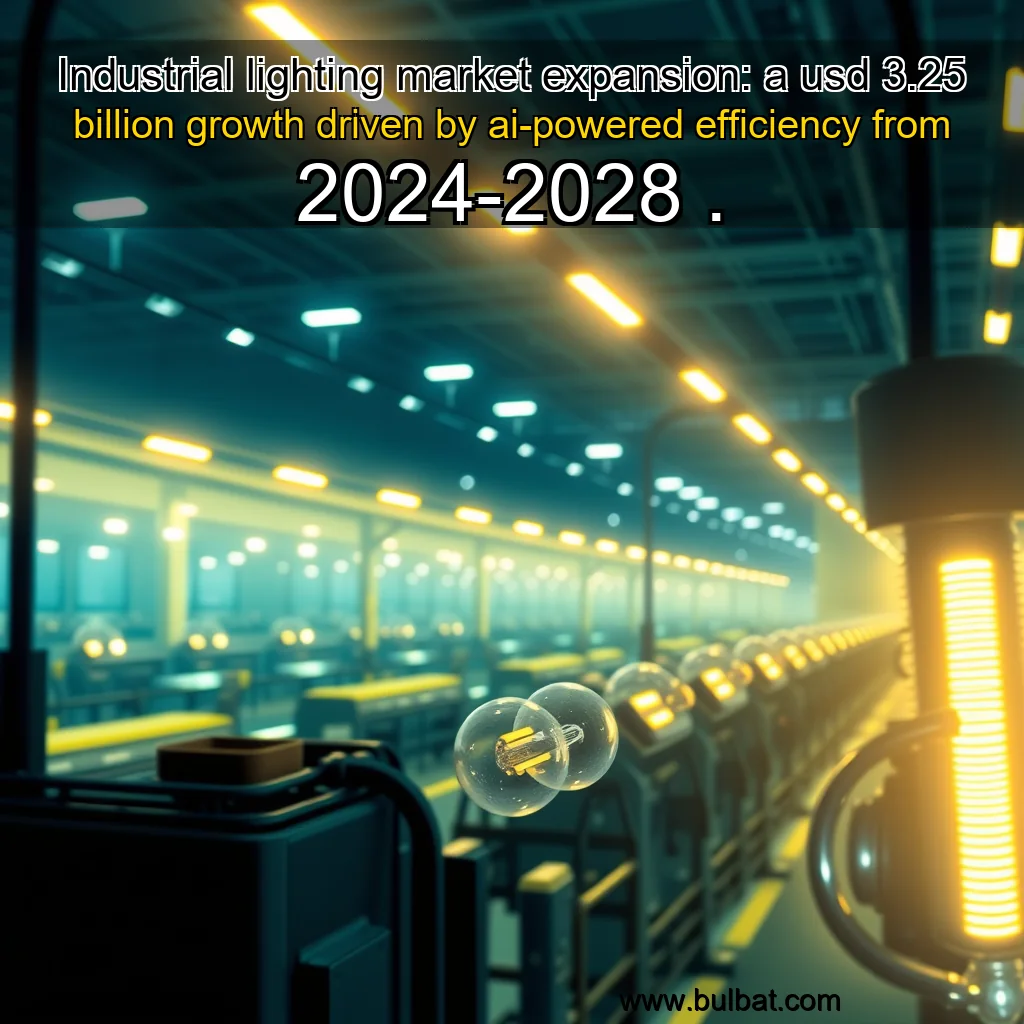
The global industrial lighting market is projected to experience significant growth over the next five years, driven by increasing demand for energy-efficient lighting solutions. The market size is estimated to reach USD 3.25 billion by 2028, growing at a compound annual growth rate (CAGR) of 4.5% from 2024 to 2028.
Key Drivers
Challenges
Despite the growth prospects, the industrial lighting market faces several challenges. One of the main challenges is the high initial cost of industrial lighting solutions.
LED Lighting Transforms Industrial Sector with Energy Efficiency and Innovation.
The Rise of LED Lighting
The industrial lighting market is witnessing a significant transformation, driven by the increasing adoption of energy-efficient LED light sources. This shift is being spearheaded by companies like Dialight Group and Signify, which are at the forefront of the LED revolution. These companies are offering a range of LED modules and connected lighting solutions that are revolutionizing the way industries approach lighting.
Key Trends in the Industrial Lighting Market
They enable real-time monitoring and control of lighting levels, occupancy, and energy usage, resulting in improved efficiency and reduced energy consumption.
The Rise of Smart Lighting Systems
The growth of smart lighting systems is driven by increasing demand for energy efficiency and sustainability. As the world grapples with the challenges of climate change, governments and businesses are turning to innovative solutions to reduce their environmental footprint. Smart lighting systems are at the forefront of this movement, offering a range of benefits that make them an attractive option for building owners and managers. Key features of smart lighting systems include: + Integrated sensors that detect occupancy and adjust lighting levels accordingly + Wireless connectivity that enables remote monitoring and control + Data-driven algorithms that optimize energy usage and reduce waste + Real-time monitoring and alerts for maintenance and troubleshooting
The Benefits of Smart Lighting Systems
The benefits of smart lighting systems are numerous and far-reaching. Some of the key advantages include:
However, the cost of LED modules has decreased significantly over the years, making them more accessible to a wider range of consumers.
The Rise of LED Lighting
The LED lighting market has experienced rapid growth in recent years, driven by increasing demand for energy-efficient lighting solutions. The advantages of LED lighting, including its low energy consumption, long lifespan, and durability, have made it an attractive option for consumers and businesses alike. Key benefits of LED lighting: + Low energy consumption + Long lifespan (up to 50,000 hours) + Durability + Instant on and off + Environmentally friendly
The Challenges of LED Adoption
Despite the benefits of LED lighting, the adoption of LEDs has been hindered by several challenges. The initial investment in LED modules can be a significant barrier to entry for some consumers. Additionally, the lack of standardization in LED products can make it difficult for consumers to choose the right product for their needs. Challenges to LED adoption: + High upfront cost + Lack of standardization + Limited availability of compatible fixtures
The Future of LED Lighting
As the LED lighting market continues to grow, it is expected that the challenges of adoption will be addressed. The cost of LED modules is expected to decrease further, making them more accessible to a wider range of consumers.
As a result, many companies are hesitant to upgrade their lighting infrastructure, opting instead to maintain their existing systems, which often lack the efficiency and energy savings of modern lighting solutions. (1) However, there are compelling reasons to invest in industrial lighting upgrades. (2) Advancements in technology have led to the development of more efficient lighting systems that can significantly reduce energy consumption and costs.
The Rise of LED Technology
The global industrial lighting market is witnessing a significant shift towards LED technology, driven by its numerous benefits. Some of the key advantages of LED lighting include:
The Impact of Japan’s Energy Crisis
Japan’s energy crisis following the Fukushima nuclear disaster has had a significant impact on the global industrial lighting market. The country’s reliance on nuclear power has led to a shortage of energy, prompting the government to implement measures to reduce energy consumption. One of the key measures taken was the ban on low-voltage halogen lamps, which has driven the adoption of LED technology. The ban on low-voltage halogen lamps has led to a significant increase in the use of LED lighting in Japan.
Dialight Group, a leading manufacturer of LED lighting solutions, has developed the ProSite LED floodlight, which is designed to provide high-intensity illumination in industrial settings.
The Rise of LED Lighting in Industrial Settings
The industrial lighting market is witnessing a significant shift towards energy-efficient lighting solutions, driven by the increasing adoption of LED modules. Traditional lighting technologies like Linear fluorescent lamps, Metal halide lamps, and Incandescent bulbs are being gradually replaced by LEDs due to their energy efficiency, long lifespan, and durability.
Key Benefits of LED Lighting in Industrial Settings
The ProSite LED Floodlight by Dialight Group
Dialight Group, a leading manufacturer of LED lighting solutions, has developed the ProSite LED floodlight, which is designed to provide high-intensity illumination in industrial settings. The ProSite LED floodlight is a high-performance lighting solution that offers a range of benefits, including:
The growing awareness about energy consumption and its impact on the environment has led to the adoption of energy-efficient lighting solutions. LED lighting sources, in particular, have gained popularity due to their ability to reduce energy consumption by up to 90% compared to traditional lighting sources. The use of LEDs in lighting has also been driven by their longer lifespan, which can last up to 50,000 hours or more, compared to 1,000-2,000 hours for traditional lighting sources. This has resulted in significant cost savings for businesses and households, as the need for frequent replacements is reduced. Furthermore, the use of LEDs has been shown to reduce greenhouse gas emissions, which contribute to climate change.
Technavio’s research methodology involves a combination of primary and secondary research, ensuring that their findings are accurate and reliable.
The Importance of Emerging Market Research
In today’s fast-paced and rapidly changing business environment, emerging market research is crucial for companies to stay ahead of the competition. Emerging markets are characterized by rapid growth, increasing consumer spending, and a growing middle class.
This vast repository of knowledge is a testament to the organization’s commitment to providing actionable insights to businesses and organizations.
The Power of Technavio’s Report Library
Technavio’s report library is a treasure trove of information, offering a wealth of knowledge on various technologies, trends, and market analysis.