CATL’s Partnership with DHL
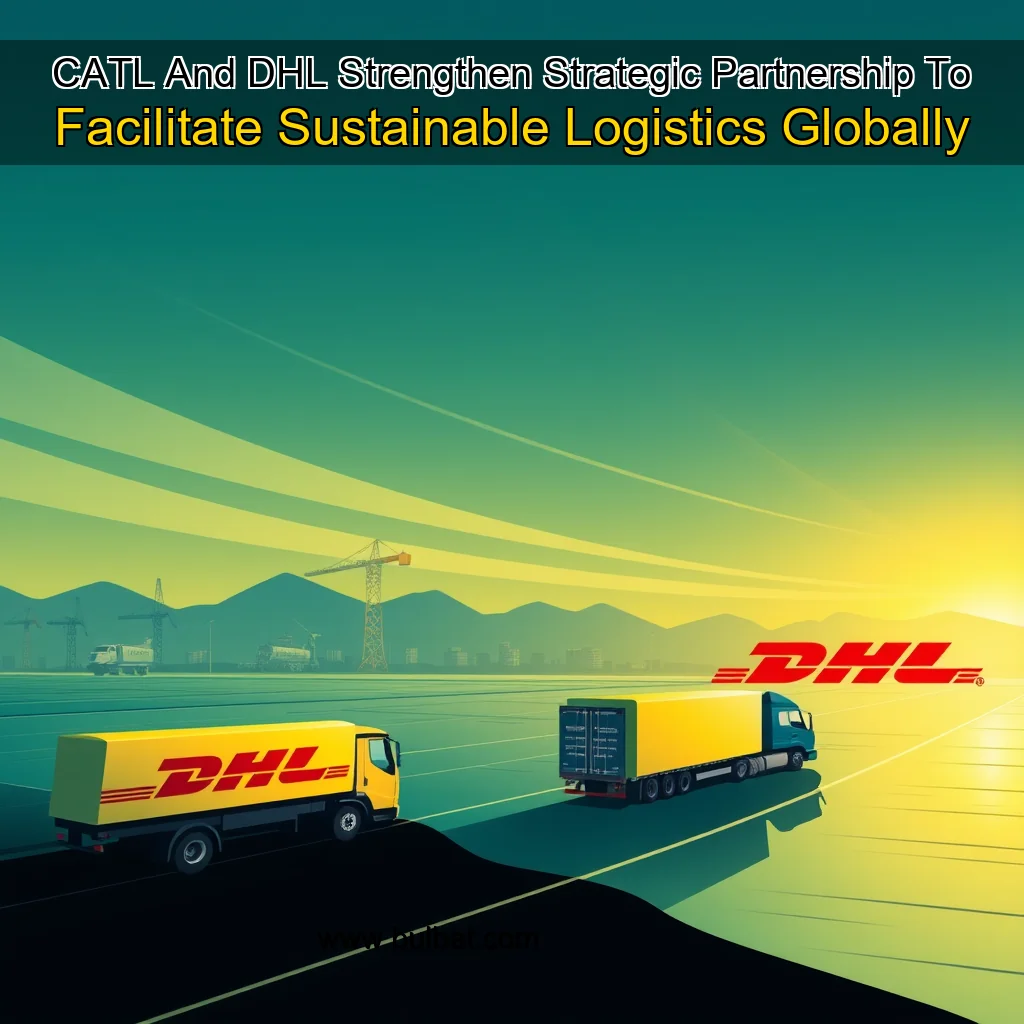
In a significant move, CATL, a leading Chinese battery technology company, has partnered with DHL, a prominent logistics company, to provide advanced liquid cooling storage systems and energy management platforms to DHL’s logistics parks. This strategic collaboration aims to enhance the efficiency and sustainability of DHL’s operations, while also promoting the adoption of clean energy solutions.
Benefits of the Partnership
The partnership between CATL and DHL is expected to bring numerous benefits to both parties. Some of the key advantages include:
Improved energy efficiency: The advanced liquid cooling storage systems will enable DHL to optimize its energy consumption, reducing its carbon footprint and operating costs. Enhanced sustainability: The energy management platforms will help DHL to monitor and control its energy usage, ensuring that its logistics parks are running in a more sustainable and environmentally friendly manner. Increased competitiveness: By adopting clean energy solutions, DHL will be able to differentiate itself from competitors and establish itself as a leader in the logistics industry. Improved customer satisfaction: The partnership will also enable DHL to provide its customers with more reliable and efficient logistics services, leading to increased customer satisfaction and loyalty. ### How the Partnership Will Work
How the Partnership Will Work
The partnership between CATL and DHL will involve the provision of advanced liquid cooling storage systems and energy management platforms to DHL’s logistics parks.
The Partnership: A Game-Changer for Sustainable Logistics
The collaboration between CATL (Contemporary Amperex Technology) and DHL marks a significant milestone in the pursuit of sustainable logistics. This partnership brings together two industry leaders to create a trailblazing solution that will revolutionize the way companies approach their supply chain management.
Key Benefits of the Partnership
Reduced Carbon Footprint: The joint venture aims to minimize the carbon footprint of logistics operations, making it a more environmentally friendly option for businesses. Increased Efficiency: By leveraging CATL’s expertise in battery technology and DHL’s logistics expertise, the partnership will optimize routes, reduce transportation costs, and enhance overall efficiency. Improved Sustainability: The partnership will focus on developing sustainable solutions that reduce waste, increase recycling, and promote eco-friendly practices throughout the supply chain. ## The Technology Behind the Partnership**
The Technology Behind the Partnership
CATL’s cutting-edge battery technology will play a crucial role in powering the logistics solution. The company’s expertise in battery development will enable the creation of more efficient, sustainable, and cost-effective battery solutions.
How the Technology Will Be Used
Electric Vehicles: CATL’s battery technology will be used to power electric vehicles, reducing greenhouse gas emissions and dependence on fossil fuels. Renewable Energy: The partnership will also focus on integrating renewable energy sources, such as solar and wind power, to further reduce the carbon footprint of logistics operations.
The agreement outlines the framework for the implementation of the MOU, which includes the following key elements:
Key Components of the Framework Agreement
Implementation Plan: The agreement outlines a detailed implementation plan, which includes specific timelines and milestones for the completion of each project. Financial Provisions: The agreement includes financial provisions, which outline the funding and budgeting requirements for each project. Risk Management: The agreement includes provisions for risk management, which outline the procedures for identifying, assessing, and mitigating risks associated with each project. * Monitoring and Evaluation: The agreement includes provisions for monitoring and evaluation, which outline the procedures for tracking progress, identifying areas for improvement, and making adjustments as needed.