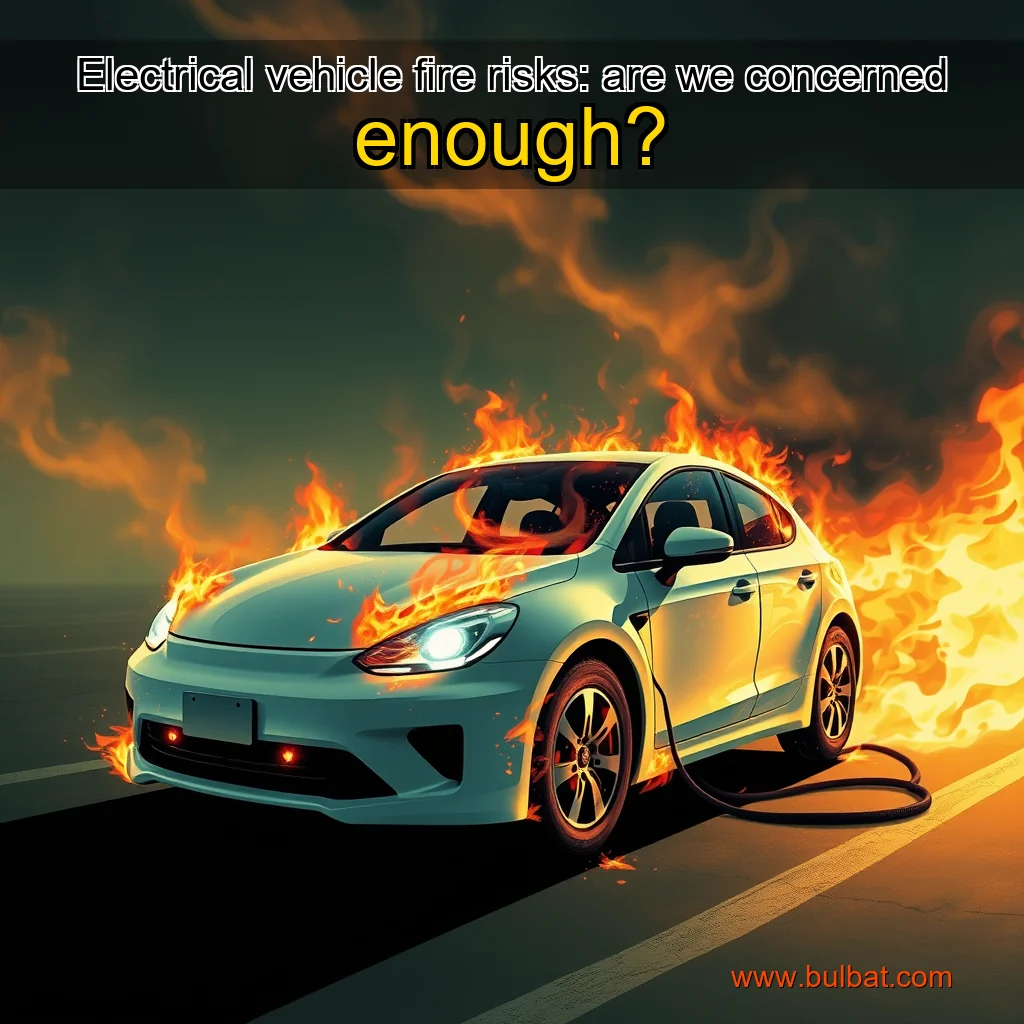
In 2013, a fatal fire occurred in a Tesla Model S, which highlighted the risks. Since then, battery fire incidents have been reported in other EV models, including the Nissan Leaf and the BMW i3. Such incidents raise concerns about the potential for widespread fires and the impact on occupants, passengers, and other vehicles in close proximity.
Thermal runaway can occur in various applications, including batteries, electronics, and chemical processes.
Understanding Thermal Runaway
Thermal runaway is a complex phenomenon that involves the interplay of multiple factors, including temperature, heat transfer, and reaction kinetics. To comprehend thermal runaway, it is essential to grasp the underlying principles of heat transfer and reaction kinetics.
Heat Transfer and Reaction Kinetics
Heat transfer is the process by which energy is transferred from one location to another due to a temperature difference. In the context of thermal runaway, heat transfer plays a critical role in the acceleration of the reaction. When a reaction is heated, the molecules gain kinetic energy, leading to an increase in reaction rate. However, if the reaction is not properly controlled, the heat generated can become self-sustaining, leading to thermal runaway. Reaction kinetics is another crucial factor in thermal runaway. The rate of a chemical reaction is influenced by various factors, including temperature, pressure, and catalysts. In the case of thermal runaway, the reaction kinetics can become self-accelerating, leading to an exponential increase in temperature.
Examples of Thermal Runaway
Thermal runaway can occur in various applications, including:
Thermal runaway risks associated with NMC batteries pose significant safety concerns, particularly in high-energy applications.
However, their higher energy density and higher power density make them more prone to thermal runaway. Thermal runaway is a self-sustaining process that can lead to a battery’s internal temperature increasing rapidly, potentially causing a fire or explosion.
Safety Concerns of NMC Batteries
NMC batteries have been involved in several high-profile incidents, including the 2013 Tesla Model S fire and the 2016 Nissan Leaf fire. These incidents highlight the potential risks associated with NMC batteries. In both cases, the batteries were damaged, and the fires were caused by a combination of factors, including high temperatures, mechanical stress, and electrical faults. Factors contributing to thermal runaway in NMC batteries include: + High energy density + High power density + High temperatures + Mechanical stress + Electrical faults
Comparison with LFP Batteries
LFP batteries, on the other hand, have a lower energy density and lower power density, making them less prone to thermal runaway. LFP batteries are also lighter, with a weight of 5.5 kg per kWh, compared to NMC batteries’ 6.74 kg per kWh. This makes them a more attractive option for electric vehicles, particularly for those with limited space or weight constraints.
Fires in Full EV Battery Packs Are Far More Complex Than Laboratory Experiments Can Capture.
The Complexity of Full EV Battery Pack Fires
Full EV battery packs are comprised of thousands of individual cells, each with its own unique characteristics. These cells are arranged in a specific pattern, with positive and negative electrodes, and an electrolyte that facilitates chemical reactions. When a cell is ignited, it releases heat, which can spread rapidly through the pack. However, the heat release rate (HRR) measured in laboratory experiments may not accurately represent the behavior of a full pack. Factors that influence HRR include: + Cell type and chemistry + Cell arrangement and layout + Electrical connections and wiring + External factors such as temperature and humidity
Laboratory Experiments: A Limited View
While laboratory experiments provide valuable insights into the behavior of individual cells, they have limitations. These tests are typically conducted in a controlled environment, with a single cell or a small group of cells. The results may not accurately represent the behavior of a full pack, which is a complex system with many interacting components. Limitations of laboratory experiments: + Small sample size + Limited environmental conditions + Simplified cell arrangement and layout + Lack of external factors
Real-World Fires: A Different Story
Fires in full EV battery packs are far more complex than laboratory experiments can capture. In real-world fires, thousands of cells are involved, and the heat release rate can vary greatly depending on the specific conditions.
Introduction
The world of lithium-ion batteries has seen significant advancements in recent years, with various types of batteries emerging to cater to different needs and applications. Among these, Nickel Manganese Cobalt (NMC) and Lithium Iron Phosphate (LFP) batteries have gained considerable attention due to their unique characteristics and benefits. In this article, we will delve into the differences between these two battery types, focusing on their fire risks and thermal runaway behavior.
Fire Risks and Thermal Runaway
NMC Batteries
NMC batteries have been widely used in electric vehicles (EVs) and other portable electronics due to their high energy density and relatively low cost. However, they have been associated with a higher risk of thermal runaway and fires, particularly at higher capacities. Higher capacity, higher risk: NMC batteries have a higher capacity than LFP batteries, which means they can store more energy. However, this increased capacity also increases the risk of thermal runaway, as there is more energy available to be released in the event of a malfunction. Extreme thermal runaway: NMC batteries are more prone to extreme thermal runaway, which can lead to catastrophic fires.
Fires can occur during electric vehicle charging due to electrical malfunctions, overheating, and human error.
The Risks of Electric Vehicle Charging Fires
Electric vehicle (EV) charging can pose significant risks to public safety, particularly when it comes to fires. While EVs themselves are generally considered safe, the charging process can be a different story. In this article, we’ll delve into the risks associated with EV charging fires, explore the reasons behind their occurrence, and discuss the importance of implementing effective fire prevention systems.
Understanding the Risks
- Electrical malfunctions
- Overheating of charging equipment
- Poorly designed or installed charging stations
- Inadequate fire suppression systems
- Human error
These risks can have severe consequences, including property damage, injury, and even loss of life.
The Science Behind EV Charging Fires
When an EV is charged, the electrical current flows through the charging equipment, which can generate heat. If the charging equipment is faulty or poorly maintained, this heat can build up and potentially ignite a fire. Additionally, the high voltage and current involved in EV charging can cause electrical malfunctions, leading to fires.
Real-World Incidents
There have been several reported cases of EV charging fires in real-world incidents.
A Safe Garage Environment: Key Considerations
Understanding the Risks
A garage can be a hazardous place, especially when it comes to electrical and chemical hazards. The risk of electrical shock, fire, and explosion is ever-present, and it’s crucial to take proactive measures to mitigate these risks. A safe garage environment is not just a matter of personal safety; it’s also essential for the longevity and performance of your vehicle.
Manufacturer’s Guidelines
The first step in creating a safe garage environment is to familiarize yourself with the manufacturer’s guidelines for your vehicle. These guidelines provide valuable information on the recommended maintenance schedule, electrical system specifications, and safety precautions. By following these guidelines, you can ensure that your garage is set up to handle the unique needs of your vehicle.
Regular Battery Checks
Regular battery checks are essential for maintaining a safe garage environment. A dead battery can cause a range of problems, from minor inconveniences to serious safety hazards.