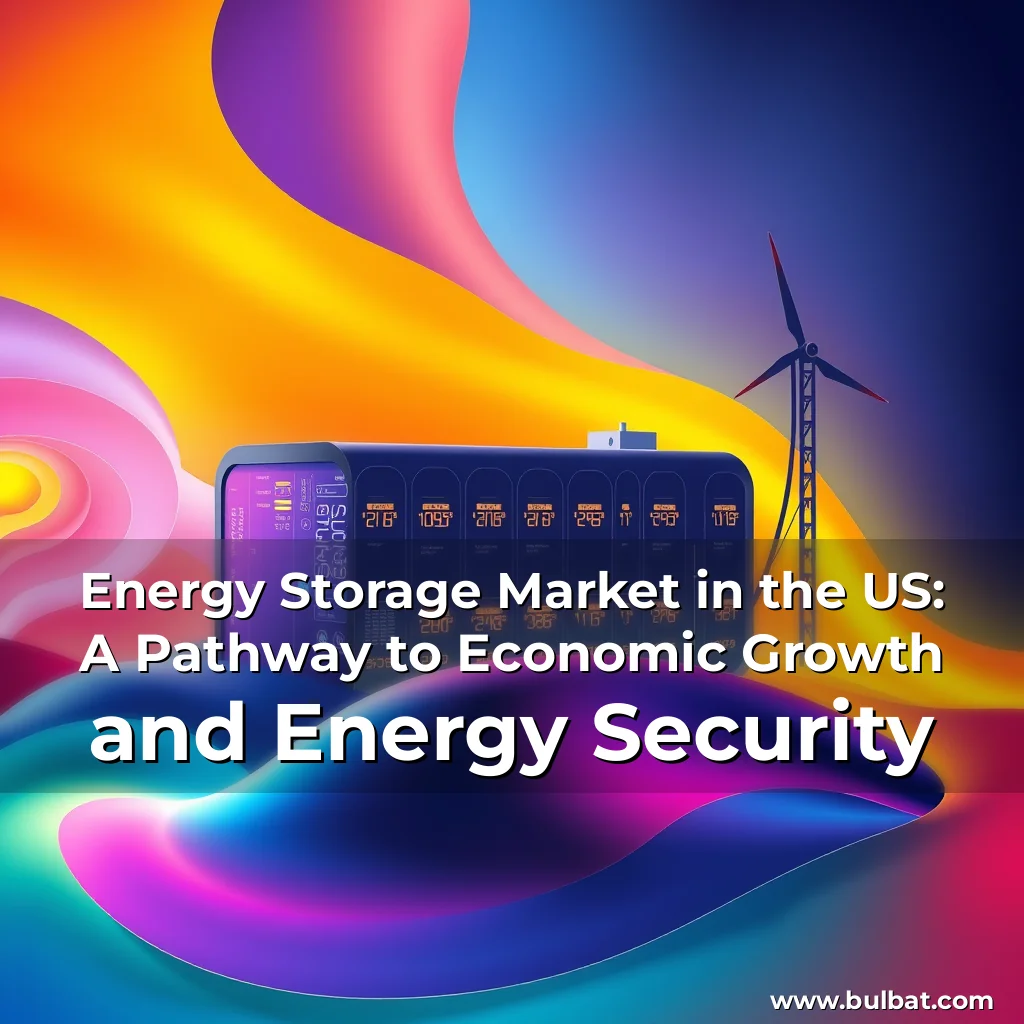
Energy storage is a vital component of the US energy infrastructure, playing a crucial role in maintaining grid stability, reducing energy bills, and ensuring power during extreme weather events and grid outages. The American Clean Power Association (ACP) has announced a significant investment in the energy storage market, aiming to create an estimated 350,000 jobs across the industry and advance domestic manufacturing. This investment will enable the US to achieve 100% domestic production of energy storage batteries by 2030, a milestone that underscores the importance of a pro-business environment with stable tax and trade policies and streamlined permitting processes. However, the achievement of this goal requires a conducive policy environment that supports the growth of the energy storage industry. A stable and efficient permitting process is essential for the development of energy storage projects, as it allows developers to move quickly and competitively in the market. The US energy sector relies heavily on stable energy, and any disruptions to this supply can have significant consequences. A recent power outage in Spain and Portugal highlighted the importance of energy storage in maintaining grid stability. The outage affected critical infrastructure, and the Spanish Interior Ministry declared a national emergency. Similarly, California experienced power outages in 2020, and state energy officials emphasized the need for generation and energy storage projects to prevent similar disruptions in the future. In Texas, the growth of battery energy storage systems (BESS) has been remarkable, with an incredible number of BESS systems being built since the 2021 winter storm. A 2024 report from Aurora Energy Research found that BESS saved the Texas grid over $750 million in day-ahead market costs during peak demand days in Winter. The growth of data centers is also expected to continue, with US President Donald Trump pushing an agenda to support the growth of AI industries. A recent report from Boston Consulting Group stated that data centre power demand will account for up to 60% of total load growth from 2023 through 2030, outpacing load growth in sectors such as transportation electrification. Industry calls for policy certainty and streamlined permitting processes to support the growth of the energy storage industry. The Trump administration’s policies, such as the 145% tariff on imports from China, could create a challenging environment for energy storage developers. A recent discussion with BESS system integrator IHI Terrasun’s Ray Saka and Ken Dao highlighted the impact of tariffs on the industry. Dao stated:
“With the tariffs such as reciprocal and others, the capital investment has been increased significantly. Hence, the economics for many projects could not be financeable. With that, the BESS industry and renewables projects may be slowed or delayed.”
Iola Hughes, analyst at EV and BESS battery industry market intelligence firm Rho Motion, noted that the rapidly falling cost of lithium-ion battery technologies may help the industry cope with tariffs. However, the price volatility caused by tariff policy and the future of the investment tax credit (ITC) are significant concerns for developers. The industry may be forced to reconsider its investment plans due to policy uncertainty, which could be just as impactful as the impact of tariffs or the removal of incentives. The example of KORE Power, which put its Arizona factory site up for sale after the CEO’s resignation, highlights the challenges faced by companies aiming to create local supply chains. FREYR’s cancellation of a 34GWh battery cell production project in Georgia and major layoffs before the 2024 US presidential election demonstrate the industry’s vulnerability to policy uncertainty. ACP has emphasized that energy storage is a highly profitable market, and developers are ready to invest. However, the conditions need to be right for them to do so. Stephanie Smith, COO at Eolian, a developer and operator of BESS projects, stated:
“As manufacturers begin ramping up domestic supply, streamlining federal and state policies and permitting processes will make the difference in getting this industry moving quickly and competitively.”
| States with high energy storage demand | Top energy storage technologies | Key players |
|---|---|---|
| California | Solar, wind, and battery energy storage | KORE Power, Tesla, and Siemens Gamesa |
| Texas | Battery energy storage systems (BESS) | Tesla, Vattenfall, and IHI Terrasun |
| New York | Solar, wind, and battery energy storage | NEC Corporation of America, Siemens Gamesa, and Duke Energy |
The US energy storage market is expected to play a crucial role in achieving energy security, affordability, and reliability. A stable energy supply is essential for the US economy, and energy storage can help mitigate the impact of extreme weather events and grid outages. The growth of energy storage will be driven by the increasing demand for renewable energy sources and the need for grid stability. As the US transitions to a more sustainable energy mix, energy storage will become an increasingly important component of the energy infrastructure. The American Clean Power Association’s investment in the energy storage market is a significant step towards achieving this goal. However, the industry must work together to create a pro-business environment that supports the growth of energy storage and advances domestic manufacturing. By streamlining permitting processes and providing policy certainty, the US can create an environment that fosters the growth of energy storage and drives economic growth. The future of energy storage in the US will depend on the ability of the industry to work together and create a supportive policy environment. The benefits of energy storage are clear, and the industry is ready to invest. However, the conditions need to be right for them to do so.
Benefits of Energy Storage
- Grid stability and reliability: Energy storage can provide peaking capacity, lower energy bills, and power during extreme weather events and grid outages.
- Energy affordability: Energy storage can help reduce energy costs by providing a stable source of power and reducing the need for peaking generation.
- Job creation and economic growth: The energy storage industry is expected to create an estimated 350,000 jobs across the US and advance domestic manufacturing.
Challenges and Opportunities
- Policy uncertainty and streamlined permitting: The industry must work together to create a pro-business environment that supports the growth of energy storage and advances domestic manufacturing.
- Tariffs and trade policies: The impact of tariffs and trade policies on the energy storage industry must be carefully considered, and solutions must be found to mitigate their effects.
- Investment and financing: The industry must find ways to secure investment and financing for energy storage projects, particularly in the face of policy uncertainty.
Conclusion
The US energy storage market has the potential to play a crucial role in achieving energy security, affordability, and reliability. The American Clean Power Association’s investment in the energy storage market is a significant step towards achieving this goal. However, the industry must work together to create a pro-business environment that supports the growth of energy storage and advances domestic manufacturing. By streamlining permitting processes, providing policy certainty, and finding solutions to the challenges facing the industry, the US can create an environment that fosters the growth of energy storage and drives economic growth. The future of energy storage in the US will depend on the ability of the industry to work together and create a supportive policy environment.