The Coalition’s Ambitious Nuclear Plan
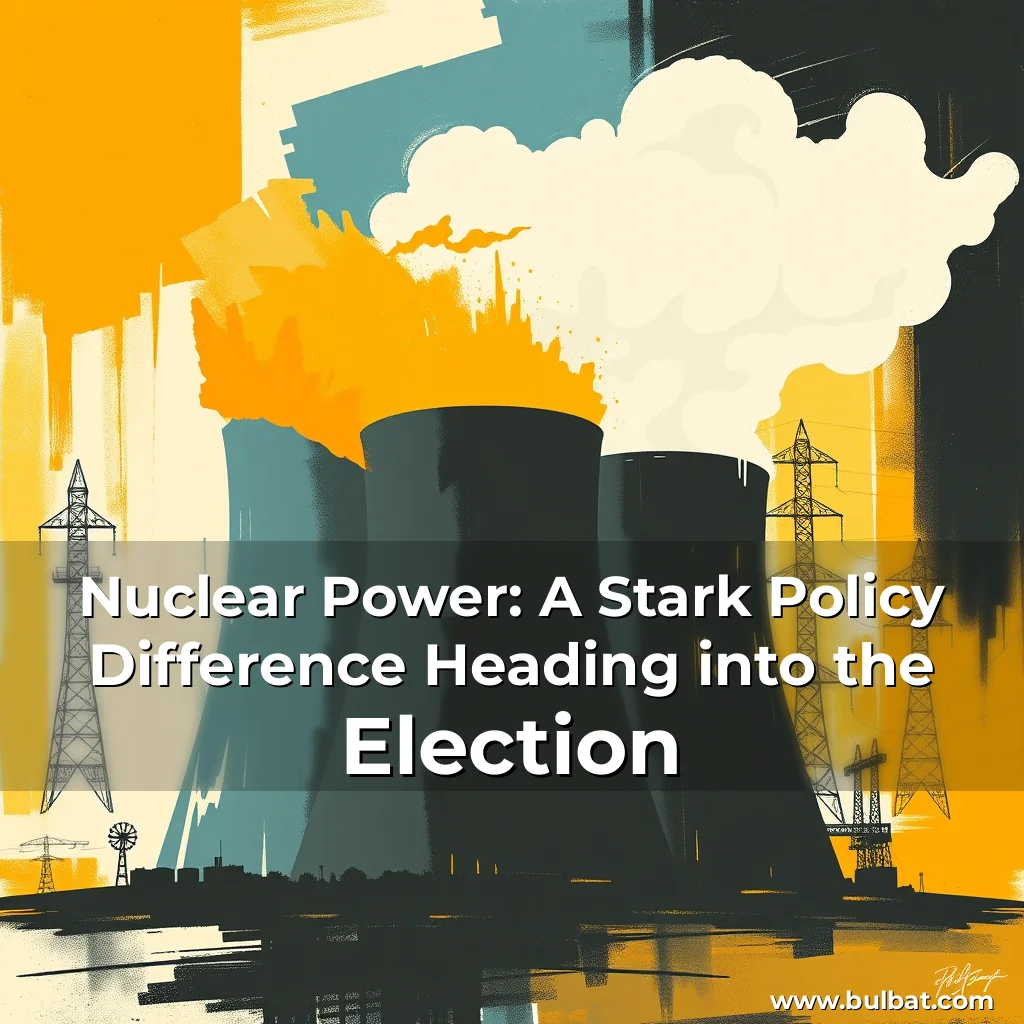
The Coalition’s energy policy this election centers around nuclear power. They aim to build seven nuclear power plants across the country, all on the sites of current or former coal-fired power plants. These plants would be either conventional large-scale reactors or “small modular reactors,” which are still in the development stage. The Coalition plans to have the first reactors up and running by the mid-2030s, with an estimated build time of at least 15 years.
Cost and Challenges
The Coalition estimates the cost of the seven reactors at around $120 billion, which is consistent with estimates from the CSIRO. However, experts have raised concerns about the feasibility of this timeline, with the CSIRO suggesting that the cost could be even higher due to Australia’s lack of experience in constructing new nuclear plants.
| Coalition’s Nuclear Plan | Cost | Built Time |
|---|---|---|
| $120 billion | 15 years (estimated) |
Nuclear Power in the Energy Mix
The Coalition’s nuclear plan would make up 38% of the energy grid by 2050, with renewables making up 32% (wind) and 17% (solar). However, it’s essential to note that the Frontier modelling assumes a smaller economy with less energy use, which may not accurately reflect the actual energy demands of Australia.
The Coalition’s Gas Strategy
The Coalition is also proposing a significant shake-up of the gas market. They aim to push down the price of gas for industry and households by keeping more gas produced onshore. The plan includes a new tax on gas exporters to incentivize them to sell gas within Australia rather than abroad. Energy analysts have pointed to gas as a key contributor to rising power prices.
Frontier Modelling
Frontier’s modelling suggests that the Coalition’s gas strategy would lower household electricity prices by 3% by 2025-25, 7% for household gas prices, and 15% for industrial users. However, the gas sector is strongly opposed to this policy.
Labor’s Renewable-Led Path
Labor’s plan is to rapidly scale up the rollout of renewable power across the country. They argue that renewables provide the cheapest and easiest replacement for coal-fired power as it continues to leave the grid. However, there is a significant amount of work to be done, as renewables currently make up 46% of energy generation in the national electricity market.
The Integrated Systems Plan
Labor is pursuing the “integrated systems plan,” which is a roadmap created by the Australian Energy Market Operator. The plan models several scenarios, but its most likely roadmap looks like this:
• Coal leaves the grid altogether by 2038
• Rooftop and large-scale solar combine to dominate the grid by 2050
• Wind is the second-largest source of power, producing almost as much as solar
• Batteries, hydropower, and gas combine to make up the rest
Batteries and the Grid
Renewables are intermittent, and batteries can play a critical role in smoothing out demand. Labor’s commitment to offer a 30% subsidy on new household batteries aims to increase the adoption of batteries and electric vehicles, which would act as a stabilizer and power source within the energy grid.
Emissions and the Paris Agreement
Both parties aim to reach net zero by 2050, but their approaches differ. Labor’s targets include reaching 43% emissions reduction by 2030 and then hitting net zero by 2050. The Coalition argues there is no chance of reaching the 43% emissions reduction target by 2030 and has delayed setting a new target until after the election.
The Climate Change Authority’s Modelling
The Climate Change Authority has previously modelled the impact of the Coalition’s nuclear policy on emissions, arguing it would be a “carbon bomb” – with higher emissions for longer before net zero is reached. The Coalition insists it remains committed to the Paris Climate Agreement, but the uncertainty surrounding their policy on emissions has sparked concerns.
Nuclear Power: A Complex and Ambitious Policy
The Coalition’s nuclear plan is a complex and ambitious policy that has garnered significant attention. While some argue it provides a stable and reliable source of energy, others have raised concerns about the cost, timeline, and environmental impact. As the election approaches, it’s essential to consider the implications of this policy on Australia’s energy future and its commitment to the Paris Climate Agreement.