Market Chaos: The Impact of Trump’s Tariffs
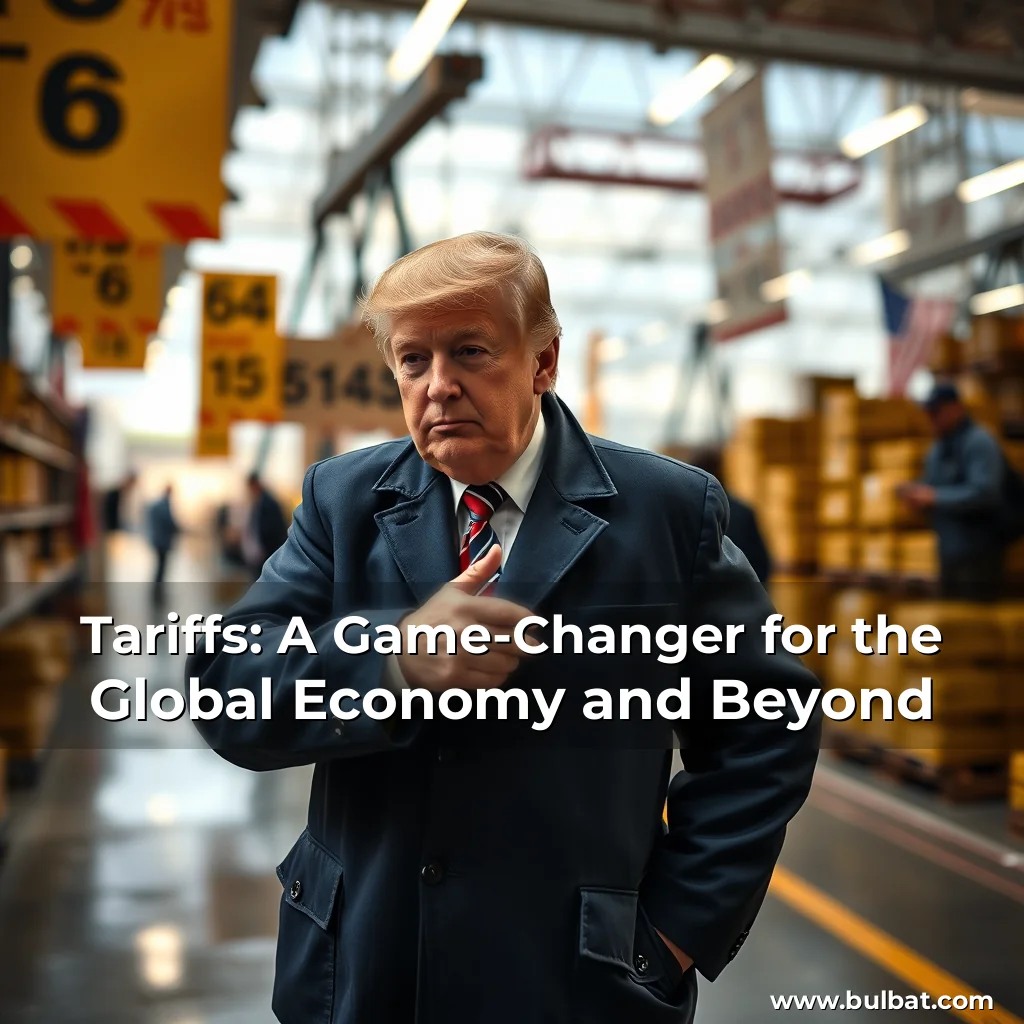
The recent announcement of Donald Trump’s plan to introduce sweeping tariffs has sent shockwaves throughout the global economy, with markets experiencing one of the quickest drops in the last century. This sudden change has left many experts scrambling to understand the potential implications of these tariffs on various industries, including climate technology.
Chaos in Climate Technology
The anxieties are especially high in climate technology, with many experts warning of a potential disruption to the industry’s supply chains. China dominates the battery industry, with over 75% of the world’s lithium-ion battery cells being produced there, as reported by the International Energy Agency.
- US battery makers could face increased costs due to the 34% tariff on all Chinese goods and the existing 20% tariff.
- The tariff on Chinese goods will add a total of 54% on top of the existing tariff.
- Even US battery makers that source components from China will be affected by the tariffs.
- Most US battery makers still rely on Chinese components, making them vulnerable to the tariffs.
The Battery Industry: A High-Tariff Industry
The battery industry is particularly vulnerable to the tariffs due to its highly interconnected supply chain. China dominates the production of lithium-ion battery cells, with 75% of the world’s production coming from there. The country also produces over 80% of the world’s cathode materials and over 90% of the world’s anode materials.
| Component | Country of Origin | % of Global Production |
|---|---|---|
| Lithium-ion Battery Cells | China | 75% |
| Cathode Materials | China | 80% |
| Anode Materials | China | 90% |
The Impact on US Battery Makers
Even US battery makers could face significant challenges due to the tariffs. Many US battery makers still rely on Chinese components, making them vulnerable to the increased costs. The 34% tariff on all Chinese goods and the existing 20% tariff will add a total of 54% to the cost of imported goods, which could have a significant impact on US battery makers.
Example: Lyten, a California-based company
Lyten is a company working on lithium-sulfur batteries, with plans for a new factory scheduled for 2027. The company relies on sourcing affordable construction materials, which could be affected by the tariffs. Keith Norman, Lyten’s chief sustainability officer, stated, “We’re not drawing any conclusions quite yet.”
“Tariffs are certainly adding to an already uncertain environment, and we need to carefully consider the implications of these tariffs on our business and the industry as a whole.” – Keith Norman, Lyten
Conclusion
The recent announcement of Trump’s tariffs has sent shockwaves throughout the global economy, with the potential implications for climate technology and the battery industry still unclear. As the situation continues to unfold, it’s essential to monitor the impact of these tariffs on various industries and to consider the potential consequences for the global economy and beyond.