Energy security has undergone a significant transformation in the context of the climate crisis. The four pillars of energy security – availability, accessibility, affordability, and environmental acceptability – have become increasingly intertwined. With the world moving towards a low-carbon economy, energy storage has emerged as a crucial component in this transition.
Why Energy Storage Matters
Energy storage systems, particularly Battery Energy Storage Systems (BESS), offer a range of benefits that make them an attractive solution for integrating renewable energy into the grid. Some of the key advantages of BESS include:
- Enhancing grid stability and balancing demand-supply fluctuations
- Providing reliable power and supporting decentralised energy solutions
- Reducing greenhouse gas emissions from the power sector
- Enabling large-scale integration of renewables
India’s BESS Landscape
India has set a ambitious target of 500 GW of installed power capacity from non-conventional fuels by 2030. As of January 2025, the country had already achieved 217.62 GW. To achieve full results, BESS deployment must be accelerated.
| Government Initiatives | Target | Progress |
| Viability Gap Funding | Support BESS projects | Enacted |
| Waiver of interstate transmission system charges | For BESS projects commissioned by June 2025 | Enacted |
However, progress has been slow. The Indian government has highlighted several challenges associated with scaling up renewable energy and energy storage deployment, including:
“The challenges associated with scaling up renewable energy and energy storage deployment include the lack of investment for grid upgradation, speed of BESS deployment by large customers, access to critical minerals needed for indigenisation of storage technology, and delays in large-scale BESS agreements.”
Innovative Partnerships
Using an alliance of public, private, and philanthropic entities can provide concessional funding and technical assistance for BESS. The BESS pilot project initiated in Delhi by BSES Rajdhani Private Limited in partnership with IndiGrid Infrastructure Trust (IndiGrid) and Global Energy Alliance for People and Planet (GEAPP) is a notable example of this.

This project will provide a reliable power supply for over 12,000 low-income consumers and marks a significant step forward toward India’s goal of 47 GW of energy storage by 2030.
EnerGrid Platform
EnerGrid is a $300 million platform for developing greenfield transmission and standalone BESS projects. It was launched in 2024 by IndiGrid, British International Investment, and the Norwegian Climate Investment Fund managed by Norfund.
Emerging as a Leader
India has been emerging as a leader in renewable energy deployment. With partnerships, expeditious large-scale BESS projects, concessional financing, technological aid, manufacturing localisation, and recycling opportunities, India can utilise BESS to its fullest extent. As a member of the BESS consortium, founded by GEAPP, India has been focusing on deploying energy storage to ensure any increase in renewable energy power capacity can be utilised to its full potential. With more alliances, India can emerge as an energy-secure nation with flexible grids and increased renewable deployment.
Conclusion
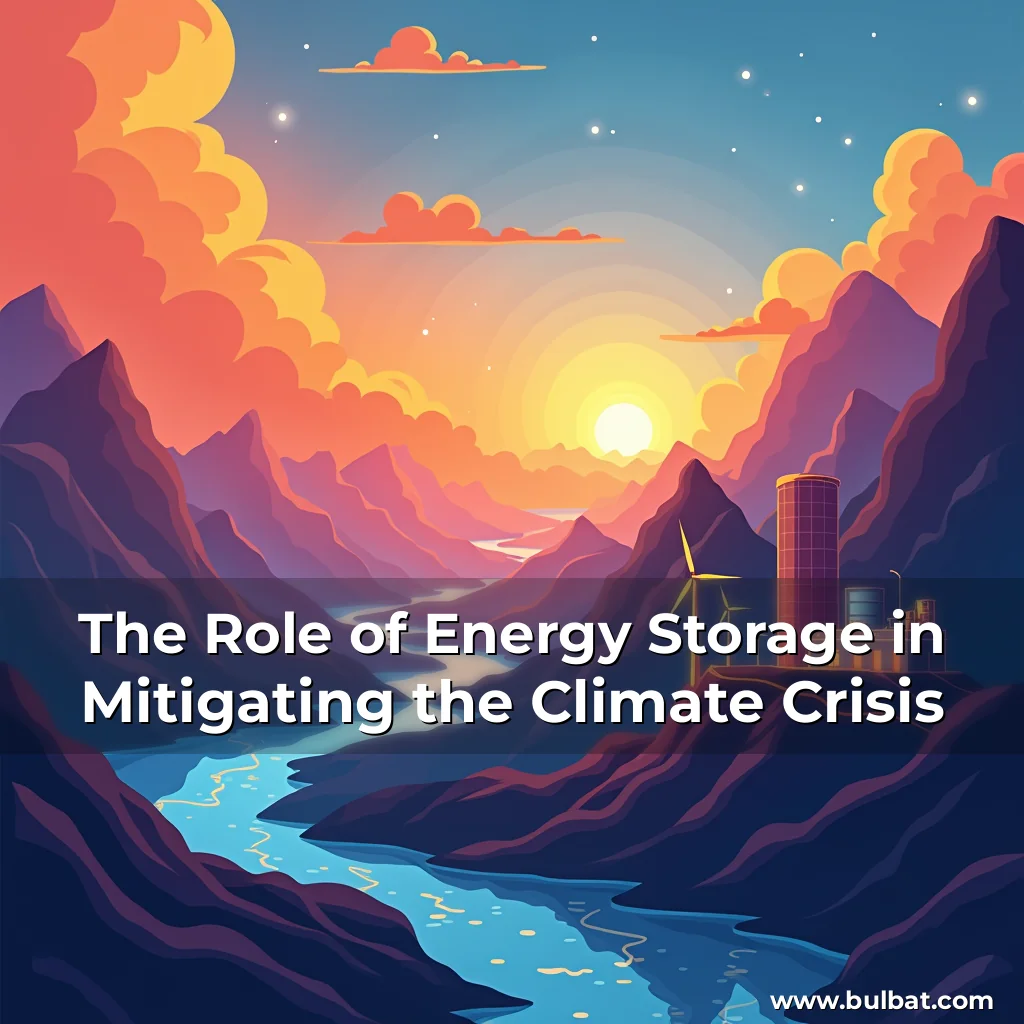
The role of energy storage in mitigating the climate crisis cannot be overstated. With the right partnerships, funding, and technological support, India can accelerate BESS deployment and become a leader in energy storage. As the world moves towards a low-carbon economy, energy storage will play a critical role in ensuring a sustainable and equitable energy future.