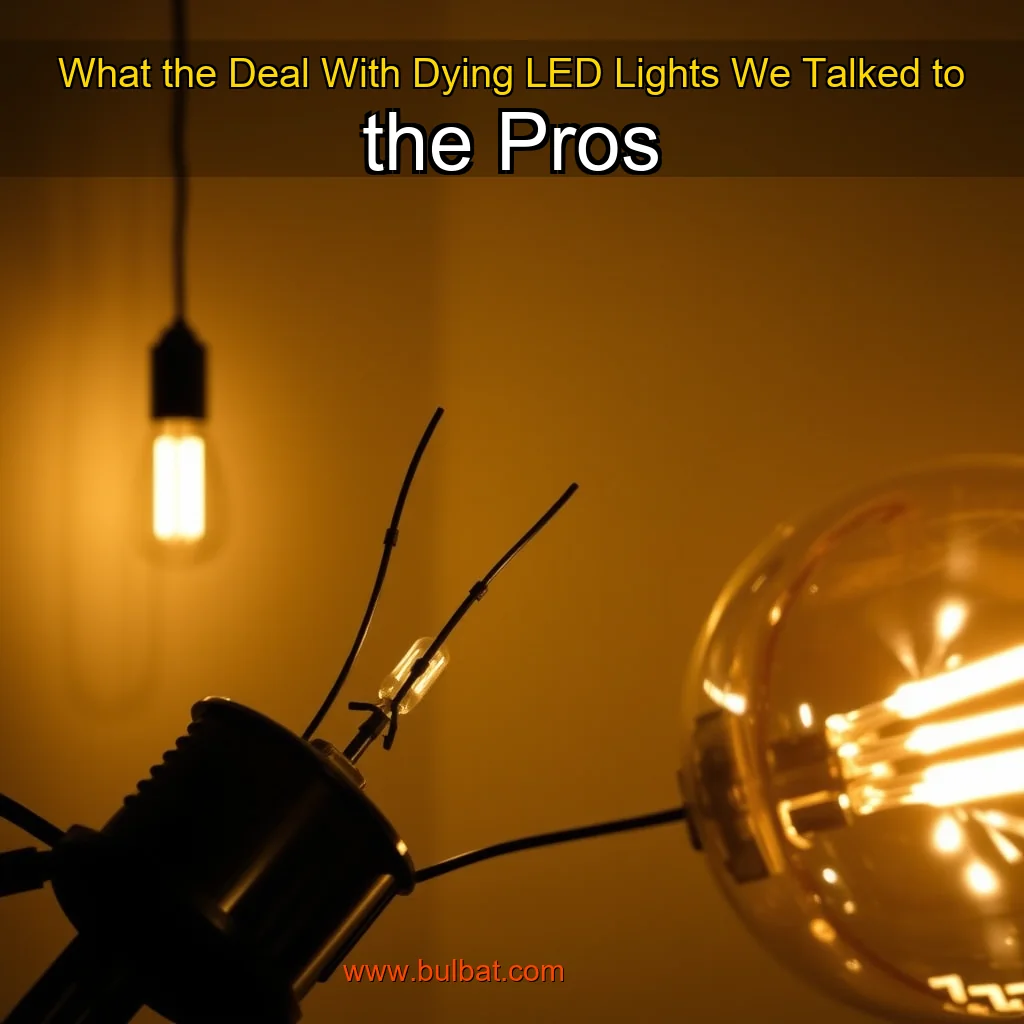
Manufacturers often provide a lifespan of 25,000 hours or more, but this is not a guarantee. In fact, many LED bulbs have a much shorter lifespan than this.
The Reality of LED Lifespan
- Quality of the bulb
- Environmental conditions
- Usage patterns
- Power quality
Understanding the Factors Affecting LED Lifespan
LED bulbs are designed to be energy-efficient and long-lasting, but their lifespan can be affected by various factors. Here are some key factors that can impact the lifespan of LED bulbs:
However, the actual lifespan of an LED bulb can vary greatly depending on factors such as usage patterns, environmental conditions, and quality of the bulb itself.
Understanding the Lifespan of LED Bulbs
When it comes to LED bulbs, their lifespan is often misunderstood. Many people assume that LED bulbs last forever, but that’s not the case. While they do last longer than traditional incandescent bulbs, their lifespan is still limited by various factors. Factors that affect the lifespan of LED bulbs include: + Usage patterns: How often the bulb is turned on and off, and for how long. + Environmental conditions: Temperature, humidity, and exposure to direct sunlight. + Quality of the bulb: The type of LED chip used, the material of the bulb, and the manufacturing process.
The Reality of LED Bulb Lifespan
The lifespan of an LED bulb can vary greatly depending on the factors mentioned above. While some bulbs may last for 25,000 hours or more, others may only last for a few thousand hours. Examples of LED bulbs with varying lifespans: + High-quality bulbs: 25,000-50,000 hours + Mid-range bulbs: 15,000-25,000 hours + Low-quality bulbs: 5,000-15,000 hours
The Impact of Environmental Factors
Environmental conditions can significantly impact the lifespan of an LED bulb. For example:
Misleading claims about bulb lifespan can lead to buyer’s remorse and wasted money.
The Truth About Bulb Lifespan Claims
When shopping for light bulbs, it’s easy to get caught up in the excitement of finding a great deal. But have you ever stopped to think about the actual lifespan of the bulb? Many companies make claims about the lifespan of their bulbs, but are these claims accurate? In this article, we’ll delve into the world of bulb lifespan claims and explore the truth behind these numbers.
The Problem with Misleading Claims
One of the biggest problems with bulb lifespan claims is that they’re often misleading. Some companies may use sneakier language, like “up to seven years” Others may use two to three hours of use to greatly inflate their lifespan numbers. Incandescent bulbs, for example, have an average lifespan of around 800 hours. This means that if you use an incandescent bulb for 10 hours a day, it will last for approximately 100 days. Incandescent bulbs are not as long-lasting as some people think.
The most common failure is the driver, which is the electronic component that controls the current flowing through the LED. The driver is usually located at the base of the bulb and is responsible for regulating the voltage and current to the LED.
The LED Bulb’s Electrical Components
The LED bulb’s electrical components are designed to be reliable and long-lasting. However, like any electronic device, they are not immune to failure. The driver, which is the most common failure point, is responsible for regulating the voltage and current to the LED.
Choosing the Right LED Bulb for Your Needs and Lifestyle.
These materials are designed to dissipate heat away from the socket and into the air, reducing the risk of overheating and prolonging the lifespan of the bulb.
Choosing the Right LED Bulb for Your Needs
When selecting an LED bulb, there are several factors to consider. Here are some key considerations:
LED Bulb Types
There are several types of LED bulbs available, each with its own unique characteristics and benefits.
The Importance of Proper Socket Maintenance
Proper socket maintenance is crucial for the longevity of LED bulb converters. A clean and well-maintained socket ensures that the electricity flows smoothly and efficiently, reducing the risk of overheating and burnout. Here are some key points to consider:
The Impact of Poor Socket Maintenance
Poor socket maintenance can have severe consequences on the performance and lifespan of LED bulb converters. Some of the effects of poor socket maintenance include:
The Benefits of Proper Socket Maintenance
Proper socket maintenance can have numerous benefits for LED bulb converters.
In fact, some studies suggest that high humidity can reduce the lifespan of LED bulbs by up to 50%. This is because the moisture in the air can seep into the bulb’s electrical components, causing corrosion and damage.
The Impact of Humidity on LED Bulbs
Understanding the Risks
The Science Behind the Problem
When LED bulbs are exposed to high humidity, the moisture in the air can cause the following issues:
Mitigating the Effects of Humidity
To minimize the impact of humidity on LED bulbs, consider the following:
Alternatives to Traditional Dimmers
Conclusion
In conclusion, high humidity can have a significant impact on the lifespan of LED bulbs.
Smart Lighting Solutions for a Brighter Home
As the world becomes increasingly dependent on technology, our homes are no longer just places to rest but also hubs for innovation and convenience. One area where technology has made a significant impact is in lighting. Gone are the days of flickering fluorescent lights and harsh overhead bulbs. Today, we have a wide range of smart lighting solutions that can transform your home into a brighter, more comfortable, and energy-efficient space.
The Benefits of Smart Lighting
Smart lighting offers numerous benefits, including:
Choosing the Right Smart Lighting Solution
When it comes to choosing a smart lighting solution, there are several options to consider. Here are a few: