The Sindh Energy Crisis: A Complex Issue
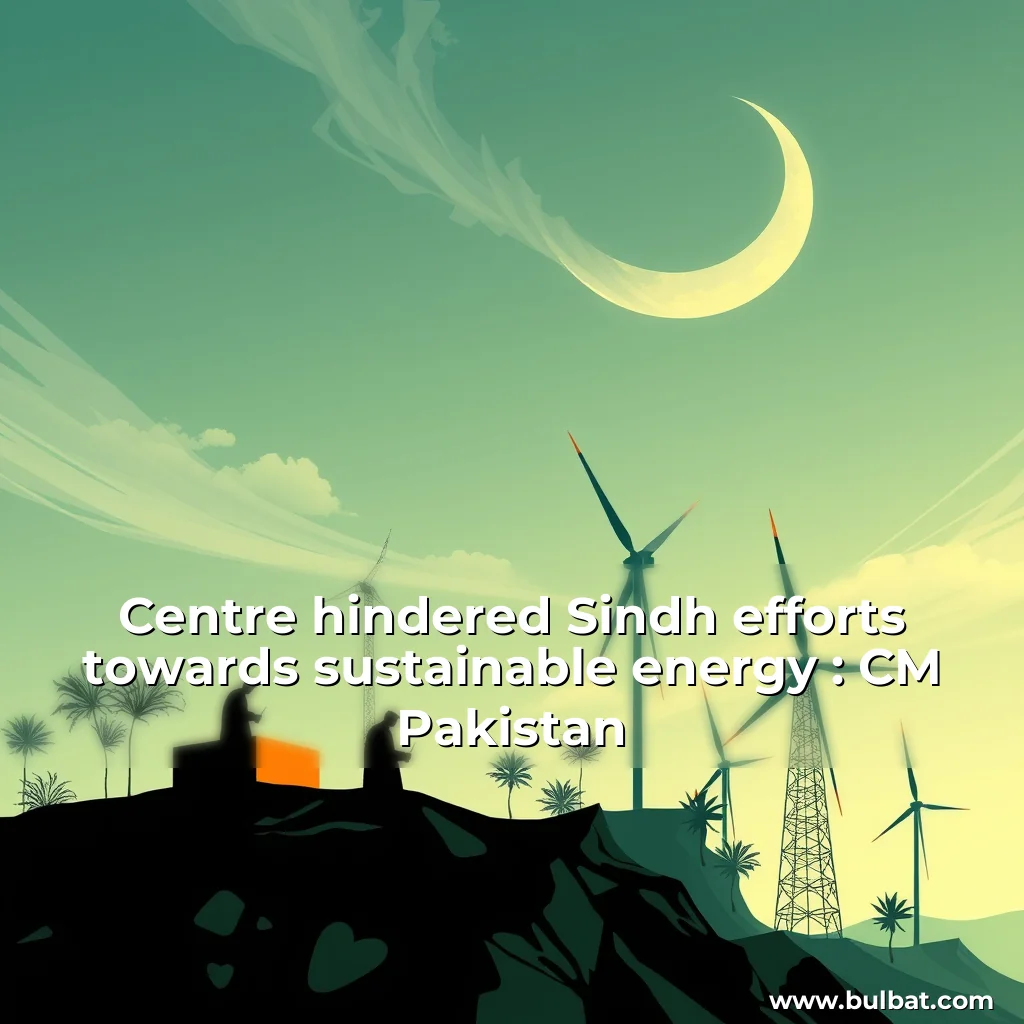
The Sindh energy crisis has been a longstanding issue in the province, with the province facing severe power shortages and frequent blackouts. The situation has been exacerbated by the federal government’s reluctance to invest in new power plants, particularly those that utilize renewable energy sources such as wind and solar power.
The Role of Renewable Energy
Renewable energy sources such as wind and solar power have been touted as a solution to the energy crisis in Sindh. However, the federal government has imposed restrictions on the development of these sources, hindering the province’s efforts to transition to sustainable energy solutions. The restrictions imposed by the federal government have limited the province’s ability to invest in renewable energy projects, making it difficult for Sindh to meet its energy demands. The lack of investment in renewable energy has led to a reliance on fossil fuels, which are not only expensive but also contribute to air pollution and climate change.
The Thar Coal Project: A Game-Changer for Sindh
The Thar coal project, located in the Thar Desert of Sindh, Pakistan, has been a subject of controversy and debate for years. The project aims to harness the region’s vast coal reserves to generate electricity, providing a much-needed boost to the country’s energy sector. However, critics have long argued that the coal is not suitable for electricity production, citing concerns over its quality and environmental impact.
The Challenges of Thar Coal
The project was initially launched in 2015 by the Pakistan Tehreek-e-Insaf (PTI) government, with the aim of increasing coal production in the region. The project’s progress was closely monitored by the PTI government, which had set ambitious targets for coal production.
The Background of the Thar Coal Project
The Thar coal project is a massive undertaking that aims to increase coal production in the Thar Desert region of Pakistan.
The Green Energy Push
The provincial government has been actively promoting green energy in the region. This push is aimed at reducing the reliance on fossil fuels and mitigating the impact of climate change.
He also mentioned that the government had set up a solar-powered water treatment plant in Nagarparkar.
The Thar Coal Railway Project
The Thar coal railway project is a significant initiative aimed at improving the transportation of coal from the Thar coal mines to the power plants in the region. The project is a collaborative effort between the Sindh government and the federal government.
Key Features of the Project
This initiative aims to empower women and girls in rural areas by providing them with access to electricity.
The Sindh Solar Project: Empowering Women and Girls in Rural Sindh
Background
The Sindh Solar project is a flagship initiative of the Sustainable Energy for All (SEforALL) initiative, a global effort to ensure universal access to energy. The project is designed to promote energy access in rural Sindh, a region with limited access to electricity. The project’s primary objective is to provide energy access to 1.5 million households in rural Sindh, thereby empowering women and girls in these communities.
Key Components
Benefits
The Government’s Electricity Assistance Program
The government has been working tirelessly to implement its electricity assistance program, which aims to provide free electricity to low-income families. The program is part of the government’s broader efforts to address the energy needs of its citizens, particularly in rural areas where access to electricity is limited.
Key Features of the Program
Distribution Strategy
The government has implemented a distribution strategy to ensure that the 1.5 million beneficiaries of the SHS program receive their stipends on time. The strategy involves the following steps:
## Implementation Challenges
Despite the government’s efforts to implement the SHS program, several challenges have been reported. These include:
## Government Response
The government has responded to these challenges by:
## Impact on Beneficiaries
The SHS program has had a significant impact on the lives of its beneficiaries.

news is a contributor at BulBat. We are committed to providing well-researched, accurate, and valuable content to our readers.