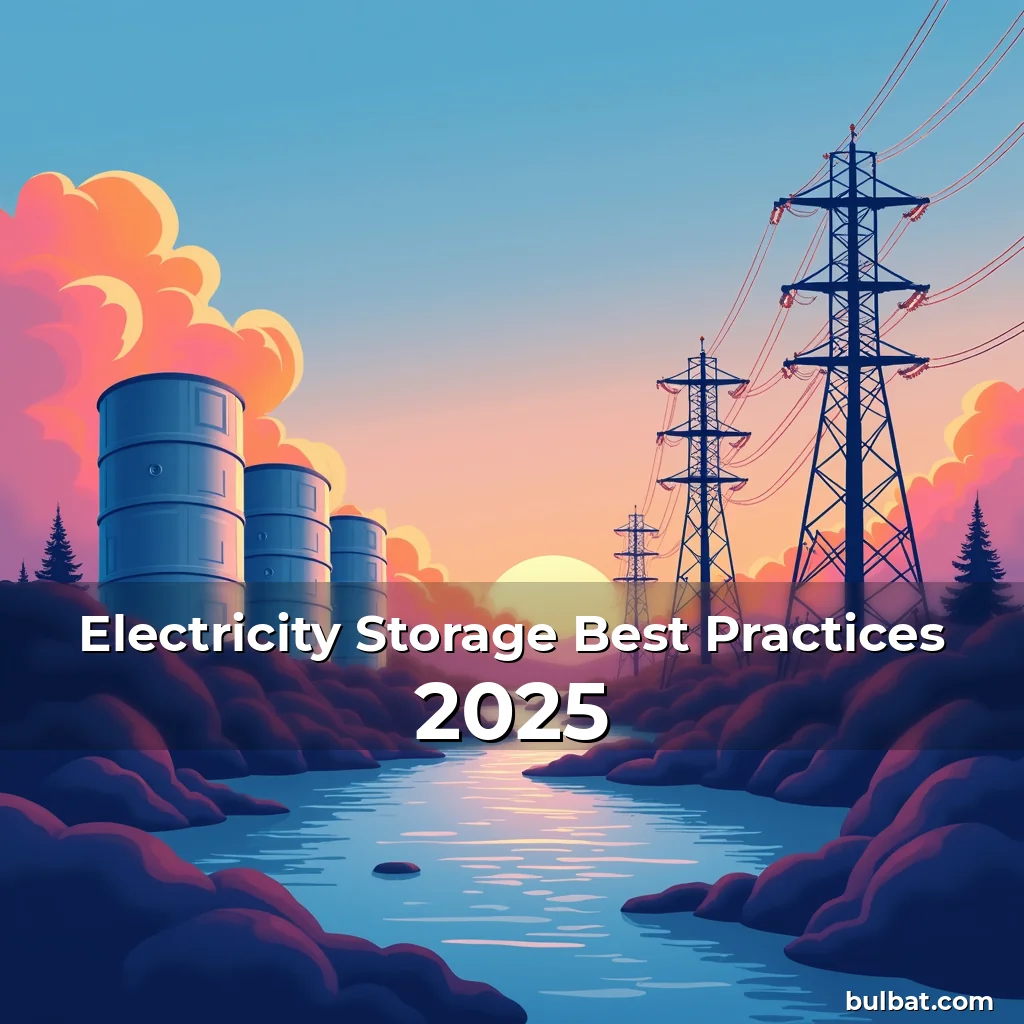
Electricity Storage Best Practices 2025
In an era where renewable energy sources are reshaping global power grids, electricity storage has emerged as a critical component of modern infrastructure. As solar panels and wind turbines generate intermittent power, reliable storage solutions ensure consistent supply, reduce dependency on fossil fuels, and enhance grid stability.
The year 2025 marks significant advancements in battery technology, smart grid integration, and decentralized energy systems. These innovations not only optimize energy use but also empower consumers to take control of their energy consumption patterns.
The Evolving Landscape of Electricity Storage
The demand for efficient electricity storage solutions has surged due to increasing reliance on renewable energy. Traditional power generation methods often struggle to match the variable output from solar and wind sources, making storage essential for maintaining a stable energy supply.
As governments worldwide set ambitious climate goals, investment in storage technologies continues to grow. This trend is driven by the need to phase out carbon-intensive energy production while ensuring uninterrupted service during peak hours or emergencies.
- Battery Technology Innovations: Lithium-ion batteries have dominated the market, but emerging alternatives such as solid-state batteries offer higher safety, longer lifespans, and faster charging times.
- Grid-Scale Storage Solutions: Large-scale projects utilizing pumped hydro, compressed air, and flow batteries provide long-duration storage capabilities that complement daily fluctuations in renewable generation.
The Role of Renewable Energy Integration
Renewable energy integration requires robust storage mechanisms to address intermittency issues inherent in solar and wind power. Without adequate storage capacity, excess energy generated during sunny or windy periods would go unused, leading to inefficiencies and wasted potential.
Electricity storage acts as a buffer between renewable generation and consumer demand. It enables surplus energy to be stored when production exceeds consumption and released later during high-demand periods, thereby balancing supply and demand dynamically.
For instance, residential solar installations paired with home battery systems allow households to store daytime-generated electricity for nighttime usage, significantly reducing reliance on utility companies.
Types of Electricity Storage Technologies
Several types of electricity storage technologies exist today, each tailored for different applications based on cost, efficiency, scalability, and environmental impact. Understanding these options helps stakeholders choose the most suitable solution for their needs.
Lithium-ion batteries remain popular due to their high energy density and declining costs over recent years. They find widespread application in electric vehicles, portable electronics, and grid-scale operations through battery energy storage systems (BESS).
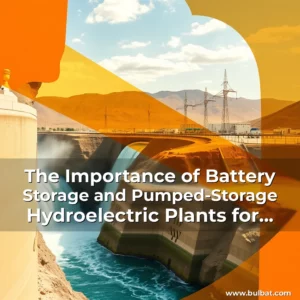
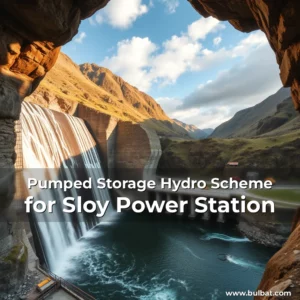
Pumped hydro storage remains one of the oldest forms of bulk energy storage. By pumping water uphill using off-peak electricity and releasing it through turbines during peak demand, it provides substantial energy reserves at scale.
Flow batteries utilize chemical reactions within liquid electrolytes to store electrical charge. Their ability to decouple power rating from energy capacity makes them ideal for applications requiring extended discharge durations without performance degradation.
Compressed air energy storage (CAES) involves compressing air into underground caverns or tanks during low-demand periods and expanding it back to drive generators when needed. While less common than other methods, CAES offers promising long-term viability especially in regions with suitable geological formations.
Solid-state batteries represent next-generation technology offering improved safety profiles compared to conventional lithium-ion variants. With no flammable liquid electrolyte components, they pose lower fire risks even under extreme conditions.
Advancements in Battery Efficiency and Safety
Recent breakthroughs in materials science have led to enhanced battery efficiency across various platforms. Newer chemistries aim to increase cycle life—how many times a battery can be charged/discharged before losing capacity—which directly impacts overall system economics.
Safety enhancements include better thermal management systems designed specifically for high-density battery packs used in both industrial settings and consumer devices alike. Incorporating advanced sensors allows real-time monitoring of temperature fluctuations which could otherwise lead to catastrophic failures.
A notable development includes self-healing polymers applied to internal structures inside battery cells; these materials automatically repair minor cracks formed during repeated cycling thus prolonging operational lifespan considerably.
Moreover, AI-driven predictive maintenance tools analyze historical data patterns to forecast potential malfunctions well ahead of actual occurrence allowing proactive intervention rather than reactive troubleshooting approaches previously employed.
Smart Grid Integration and Demand Response
Integrating electricity storage with smart grid networks enhances overall network resilience against disruptions caused by natural disasters, cyberattacks, or unexpected load changes. Smart meters equipped with two-way communication capabilities facilitate precise coordination between distributed resources and central dispatch centers.
Demand response programs leverage stored energy strategically timed releases align perfectly with fluctuating electricity prices or emergency situations requiring rapid adjustments to maintain balance throughout complex distribution networks.
An example scenario: During heatwaves causing unprecedented spikes in AC usage, pre-stored energy reserves can be dispatched selectively towards neighborhoods experiencing highest strain helping prevent blackouts until additional generation comes online naturally via increased renewables activity or supplemental fossil fuel plants activated temporarily.
Economic Considerations and Return on Investment
Evaluating economic factors surrounding electricity storage initiatives necessitates thorough analysis involving initial capital expenditures versus projected savings derived primarily from reduced electricity bills plus ancillary benefits like avoided infrastructure upgrades delayed thanks to optimized load profiles.
Government incentives play crucial role influencing ROI calculations particularly regarding tax credits available for installing qualifying green technologies including certain types of storage units recognized under federal clean energy policies enacted recently aiming accelerate transition away from non-renewables.
While upfront costs may seem steep initially especially considering installation requirements associated with larger commercial grade setups however careful financial modeling incorporating lifetime expectancy figures alongside maintenance schedules typically reveals compelling payback periods ranging anywhere between five to fifteen years depending upon local tariffs and utilization rates achieved post implementation.
Additionally value proposition extends beyond mere monetary gains encompassing broader societal advantages such as decreased pollution levels contributing positively toward public health outcomes improvement measurable through metrics tracking asthma incidence reduction among populations residing near areas implementing comprehensive electrification strategies supported adequately by resilient storage frameworks.
Environmental Impact Assessment
Assessing environmental implications linked with electricity storage encompasses lifecycle evaluations covering mining processes required obtaining raw materials necessary constructing facilities housing deployed systems along side disposal protocols governing end-of-life treatments applicable regardless whether unit belongs category recyclable or hazardous waste needing specialized handling procedures.
Lithium extraction poses particular concern regarding ecological damage inflicted upon surrounding ecosystems notably affecting aquatic habitats located near open pit mines situated predominantly South America’s salt flats region famously known lithium triangle comprising Chile Bolivia Argentina countries richest deposits globally accessible currently.
Cobalt sourced mainly Democratic Republic Congo raises ethical questions concerning labor practices involved artisanal mining activities potentially exposing workers dangerous conditions lacking basic protections afforded developed world standards hence prompting industry wide shift toward cobalt-free alternatives being actively researched tested extensively laboratories around globe striving achieve commercialization soon future.
To mitigate negative consequences producers increasingly adopting circular economy principles focusing reutilization repurposing retired components wherever feasible thereby minimizing fresh resource depletion simultaneously creating new revenue streams enterprises engaged reverse logistics managing decommissioned assets efficiently sustainably.
Federal Policies Shaping Future Development
National legislation directly influences trajectory advancement electricity storage sector through regulatory frameworks establishing minimum technical specifications acceptable deployment scenarios determining eligibility criteria receiving subsidies grants aimed promoting adoption cleaner technologies aligned national objectives sustainability targets.
Current policy landscape showcases bipartisan support pushing forward initiatives reinforcing electrification movement emphasizing importance integrating energy storage seamlessly existing infrastructures ensuring seamless interoperability digital platforms enabling real time analytics facilitating informed decision-making process related optimizing resource allocation improving reliability entire ecosystem.
Specific measures highlighted include mandates requiring utilities incorporate specified percentages renewable energy portfolios coupled with parallel obligations ensuring sufficient backup capacities maintained ready activation whenever primary feedstock availability compromised due weather anomalies equipment malfunction incidents etcetera.
Furthermore incentives structured progressively favoring innovative startups pioneering novel methodologies disrupting traditional paradigms established incumbents entrenched legacy models now facing disruptive forces challenging status quo through technological superiority combined strategic positioning anticipating evolving market demands accurately predicting trajectories shaping tomorrow’s landscapes accordingly.
Community Engagement Strategies
Engaging communities effectively fosters greater acceptance embracing electricity storage solutions particularly pertinent rural locations where access centralized services limited necessitating localized microgrid implementations serving isolated clusters population benefitting shared resources pooled together enhancing collective resiliency amidst unpredictable climatic variations threatening vulnerable settlements prone frequent power outages.
Public awareness campaigns employing educational outreach efforts leveraging social media platforms conducting workshops seminars featuring experts field demonstrating practical demonstrations tangible results achieved deploying pilot projects showcasing successful case studies illustrating transformative effects experienced participants involved early stages experimentation phases.
Partnerships forged amongst academic institutions governmental bodies private enterprise entities synergistically contribute knowledge exchange transferring cutting edge research findings translating theoretical constructs pragmatic applications scalable replicable formats adaptable diverse geographical contexts varying socio-economic backgrounds encountered everyday citizens navigating challenges transitioning greener lifestyles responsibly conscientiously preserving planetary integrity simultaneously achieving personal aspirations pursuing comfort convenience security assurance fundamental human desires universally acknowledged cherished values transcending cultural boundaries permeating every facet contemporary existence.
Conclusion
Electricity storage stands at the forefront of our journey toward sustainable energy futures. From advancing battery technologies to integrating smart grids, numerous avenues exist to harness and manage power more efficiently than ever before.
By understanding best practices outlined here—including evaluating economic returns assessing environmental footprints staying updated legislative developments—you position yourself advantageously navigate rapidly changing terrain characterized continuous innovation driving progress forward collectively building brighter tomorrow grounded sound foundations laid today through collaborative endeavors undertaken earnestly passionately committed realization vision shared amongst millions worldwide united purpose propelling humanity toward equilibrium coexistence nature civilization.

news is a contributor at BulBat. We are committed to providing well-researched, accurate, and valuable content to our readers.