The Power Behind Tomorrow: Understanding Electricity Storage Solutions
In an era where renewable energy sources are becoming increasingly vital, electricity storage stands at the forefront of innovation. As we transition towards sustainable power systems, understanding how electricity is stored becomes essential for both individuals and communities.
This guide aims to demystify the world of electricity storage technologies that are shaping our future today. Whether you’re looking to reduce your carbon footprint or simply curious about cutting-edge solutions, there’s something here for everyone interested in harnessing clean energy effectively.
The Evolution of Energy Storage Technologies
Electricity storage has come a long way from simple lead-acid batteries used decades ago. Today’s landscape features advanced lithium-ion technology alongside emerging alternatives such as flow batteries and hydrogen fuel cells.
These innovations have significantly improved efficiency rates while reducing costs over time. The shift toward cleaner energy demands more reliable ways to store excess power generated during peak production times.
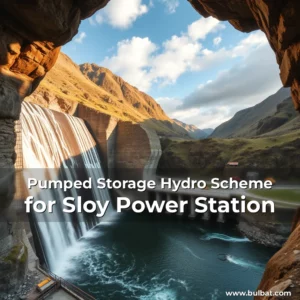
Historically, pumped hydro-storage was considered the gold standard due to its high capacity capabilities but limited geographical availability. Modern advancements now offer diverse options suitable for various environments and applications.
- Lithium-Ion Batteries: Known for their lightweight design and high energy density, these batteries dominate consumer electronics markets today.
- Flow Batteries: Utilizing liquid electrolytes within separate tanks allows them to scale easily without compromising performance metrics.
Why Electricity Storage Matters Now More Than Ever
Rapid fluctuations in solar irradiance and wind patterns pose challenges for consistent grid stability when relying solely on renewables. Effective storage mechanisms help balance supply-demand mismatches efficiently.
With climate change driving urgency around decarbonization efforts worldwide, integrating robust storage solutions ensures continuous access to green energy even during periods of low generation activity.
Economic benefits also play a crucial role; smart storage implementations can lower overall utility bills by leveraging off-peak pricing models strategically.
Different Types of Electrical Energy Storage Systems
Battery-based systems remain among the most popular choices globally because they provide immediate response times necessary for maintaining stable electrical networks under varying loads.
Mechanical methods like flywheels convert kinetic energy back into electrical form using electromagnetic induction principles. They excel at handling brief surges rather than prolonged usage scenarios.
Thermal storage involves capturing heat produced through processes such as concentrated solar power which later gets converted back into usable electricity via steam turbines when needed.
Electrochemical approaches encompass not just traditional battery chemistries but newer variants including solid-state designs promising enhanced safety profiles compared to conventional ones.
Advancements Driving Efficiency Improvements
Ongoing research focuses heavily on improving cycle life—the number of charge-discharge cycles before significant degradation occurs—which directly impacts long-term viability assessments across different sectors.
Nanotechnology plays a pivotal role here too; nanostructured materials enhance surface area interactions critical for faster ion transport speeds required in modern battery architectures.
Additionally, artificial intelligence algorithms aid predictive maintenance schedules by analyzing historical data sets related to component wear characteristics uniquely tied to each installation site.
Coupled with IoT sensors monitoring real-time conditions continuously, operators gain unprecedented visibility into system health statuses facilitating proactive interventions before failures occur.
Economic Implications & Cost Considerations
While initial investments might seem steep upfront, lifecycle analyses often reveal compelling return-on-investment figures especially considering rising fossil fuel prices coupled with regulatory incentives promoting clean tech adoption.
Governments worldwide implement subsidies aimed specifically at encouraging residential installations thereby making personal-level participation financially feasible despite higher entry barriers associated with commercial projects.
However, regional disparities exist regarding affordability levels meaning strategic location considerations become imperative factors influencing final implementation decisions.
Safety Concerns & Environmental Impact Assessments
Proper disposal protocols must be strictly followed given potential environmental hazards linked to improper handling procedures particularly concerning heavy metal components found inside certain types of rechargeable units.
Lifecycle analysis studies indicate that although manufacturing phases do carry ecological footprints, responsible recycling programs mitigate negative consequences substantially over extended operational lifespans.
Emerging technologies show promise in minimizing toxic material utilization altogether—solid-state batteries represent one notable example currently undergoing extensive testing phases prior to widespread deployment.
Fostering Community Engagement Through Shared Infrastructure Models
Community microgrids powered by locally sourced renewable resources paired with centralized storage facilities enable collective ownership structures benefiting multiple stakeholders simultaneously.
This model encourages knowledge sharing opportunities amongst participants fostering stronger local resilience against external disruptions whether natural disasters strike unexpectedly or geopolitical tensions disrupt global supply chains unexpectedly.
Moreover, cooperative frameworks facilitate pooling financial contributions enabling cost-sharing arrangements ideal for small-scale initiatives lacking individual capital requirements typically demanded by larger ventures.
Future Trends Shaping Next Generation Solutions
Predictive analytics integrated seamlessly with AI-driven automation promises intelligent load management strategies dynamically adjusting output based upon anticipated demand curves derived from behavioral pattern recognition techniques applied across vast datasets.
Hybrid configurations combining two or more distinct methodologies aim to leverage respective strengths complementarily addressing weaknesses inherent within standalone implementations singularly focused on particular aspects alone.
Lastly, international collaborations foster cross-border technological transfers accelerating development timelines considerably reducing duplication efforts otherwise inevitable had nations pursued isolated R&D trajectories independently.
Conclusion
Understanding electricity storage fundamentals equips individuals with tools necessary navigate evolving landscapes characterized by rapid technological progressions impacting everyday lives profoundly.
By embracing innovative approaches aligned closely with sustainability goals while remaining mindful about economic realities present-day circumstances dictate, we position ourselves favorably poised迎接 tomorrow’s energy needs confidently yet responsibly.

news is a contributor at BulBat. We are committed to providing well-researched, accurate, and valuable content to our readers.