Powering Your Future: Affordable Electricity Storage Solutions for Modern Homes
In today’s rapidly evolving energy landscape, electricity storage is becoming increasingly vital for households seeking independence, resilience, and cost-effectiveness. As solar power and wind energy become mainstream, storing excess electricity ensures continuous supply during outages or low-generation periods. Whether you’re looking to cut bills, support green initiatives, or prepare for emergencies, understanding affordable storage solutions empowers informed decisions.
The rise of smart homes and decentralized energy networks means that electricity storage isn’t just for utilities anymore—it’s a game-changer for everyday users. From compact battery systems to innovative thermal solutions, modern technology offers diverse ways to store energy efficiently. By exploring these options, you can tailor a plan that fits both your financial goals and lifestyle needs.
Understanding Electricity Storage Technologies
Electricity storage comes in various forms, each suited to different applications and budgets. Lithium-ion batteries dominate the market due to their high energy density and declining costs, making them ideal for residential use. Meanwhile, lead-acid batteries remain a reliable option for those prioritizing simplicity and durability over cutting-edge features.
Beyond chemical storage, mechanical methods like pumped hydro and compressed air energy storage offer scalable solutions for larger grids. These systems leverage physical processes to convert electrical energy into potential energy, releasing it later when needed. While less accessible for individual consumers, they highlight the breadth of innovation driving the field forward.
Thermal storage is another promising avenue, particularly for heating and cooling applications. By capturing heat generated from surplus electricity and reusing it later, these systems reduce reliance on traditional HVAC units. This approach aligns well with regions experiencing extreme temperature fluctuations.
Lithium-Ion Batteries: Widely used for electric vehicles and portable electronics, lithium-ion technology has transitioned smoothly into household energy storage. Their ability to charge quickly and discharge cleanly makes them perfect for pairing with rooftop solar panels.
Flow Batteries: Unlike conventional batteries, flow batteries store energy in liquid electrolytes housed in separate tanks. This design allows for easy scaling and longer lifespans, though upfront costs tend to be higher than standard alternatives.
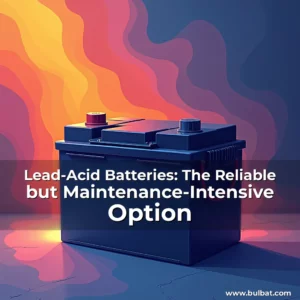
Lead-Acid Batteries: A tried-and-tested solution, lead-acid batteries provide robust performance at a fraction of the price of newer models. However, they require regular maintenance and have shorter lifetimes compared to lithium counterparts.
Why Electricity Storage Matters Today
With climate change intensifying weather extremes, the unpredictability of natural disasters underscores the importance of having backup power sources. Electricity storage enables uninterrupted operation of critical appliances, ensuring comfort and safety during blackouts caused by storms or infrastructure failures.
Fossil fuels still constitute a significant portion of global electricity generation, contributing heavily to greenhouse gas emissions. By storing clean energy produced from renewables, individuals play a role in reducing carbon footprints. Every kilowatt-hour saved from coal-fired plants represents progress toward sustainable living.
Data Insight: According to recent studies, households equipped with energy storage systems typically see reductions in utility expenses ranging from 20% to 60%, contingent upon geographic location and consumption habits.
This shift also enhances grid stability by smoothing out demand curves. During peak hours, stored electricity can offset strain on distribution lines, preventing brownouts and minimizing wear on aging transmission equipment. Utility companies benefit indirectly by deferring costly upgrades to infrastructure.
Economic incentives further bolster the appeal of storage solutions. Many governments offer subsidies or tax credits aimed at encouraging adoption among residents. Leveraging these opportunities can dramatically shorten payback periods associated with installation fees.
Choosing the Right Storage System for You
Selecting the optimal system hinges largely on assessing personal energy requirements accurately. Begin by tracking monthly kWh consumption patterns across lighting, heating/cooling, cooking, and entertainment devices. Identifying peaks will inform capacity needs beyond basic survival contingencies.
Space availability plays a crucial factor too—some installations necessitate dedicated rooms whereas others integrate seamlessly into existing setups. Evaluate spatial constraints early on to narrow viable candidates effectively.
Residential vs Industrial Applications: Residential units prioritize ease-of-installation alongside aesthetic integration, often favoring modular designs compatible with standard wall mounting configurations. In contrast, commercial facilities may opt for custom-built arrays optimized for throughput volumes exceeding domestic norms.
Consider future expansion possibilities as well. Opt for expandable architectures allowing incremental additions without complete replacement cycles. Flexibility becomes invaluable amidst technological advancements likely to emerge over subsequent years.
Assessing Cost-Benefit Ratios
While initial investments appear steep initially, long-term savings usually justify expenditures once operational efficiencies kick-in. Calculate expected annual bill reductions against purchase prices to estimate breakeven timelines realistically.
Average payback durations span roughly five to ten years post-installation, although actual values fluctuate widely based on regional tariff structures and appliance efficiency standards prevailing locally.
Governmental rebates coupled with manufacturer warranties serve dual purposes—reducing immediate financial burdens while extending product longevity expectations considerably above nominal estimates.
Investment appraisal tools assist in quantifying returns precisely. Inputting projected savings along side discount rates provides clearer projections regarding net present value (NPV) figures essential for comparative analyses amongst competing offerings.
Innovations Shaping Tomorrow’s Storage Landscape
Research institutions globally continue pushing boundaries through novel materials science breakthroughs. Graphene-enhanced electrodes promise faster charging speeds alongside enhanced cycle life characteristics far surpassing legacy compounds currently dominating markets.
Hydrogen-based storage emerges as compelling alternative pathway leveraging water splitting techniques powered entirely via renewable inputs. Stored gases subsequently fed back into turbines yield zero-emission baseload generation capacities whenever required.
Emerging solid-state variants eliminate flammable components traditionally found inside cylindrical casings thus enhancing inherent safety profiles substantially. Such improvements bode well for urban environments constrained by fire regulations governing conventional chemistries.
Smart monitoring platforms integrated directly onto control interfaces enable granular oversight regarding state-of-health metrics enabling proactive replacements prior reaching end-of-life thresholds thereby maximizing utilization spans.
Real-World Examples of Successful Implementations
Across Europe numerous municipalities implemented district-level microgrids incorporating shared storage pools effectively balancing load distributions dynamically according to temporal variations in sun exposure levels experienced diurnally.
One notable project involved retrofitting old factory buildings with retrofitted photovoltaic panels connected to centralized battery banks capable supplying entire neighborhoods independently during daylight hours alleviating pressure placed upon national networks otherwise burdened excessively throughout summer months.
Community-driven cooperatives emerged successfully deploying peer-to-peer trading mechanisms facilitating direct exchanges between producers/consumers utilizing blockchain ledgers securely recording transactions transparently without intermediaries extracting profits unilaterally.
These success stories illustrate tangible pathways demonstrating viability irrespective of scale—from single-family residences expanding gradually upwards multi-unit complexes embarking ambitious transitions simultaneously.
Common Misconceptions About Electricity Storage
Misinformation persists surrounding perceived risks related to hazardous material leakage despite rigorous containment protocols enforced universally across certified products sold commercially available today.
Deterioration myths suggesting rapid loss of functionality following mere several cycles prove inaccurate considering contemporary manufacturing practices employing advanced sealing technologies maintaining integrity consistently over extended periods measured decades-wise.
Contrary belief exists asserting only wealthy demographics qualify benefiting economically; however targeted subsidy schemes exist specifically designed aiding middle-income brackets achieving comparable financial relief akin premium segments enjoying similar advantages.
Critics argue intermittent sources render stored reserves unreliable yet sophisticated predictive algorithms continuously optimize dispatch schedules ensuring adequate coverage meeting predefined thresholds reliably irrespective volatile input conditions encountered frequently.
Maximizing Efficiency Through Smart Integration Strategies
Synchronizing storage assets with intelligent thermostats
Whether driven by desire for self-sufficiency, reduction in utility costs, or preparation against unforeseen events, taking steps toward integrating storage into daily lives promises substantial rewards. Embrace the opportunity to shape a cleaner, smarter, and more resilient tomorrow—one charged step at a time.

news is a contributor at BulBat. We are committed to providing well-researched, accurate, and valuable content to our readers.