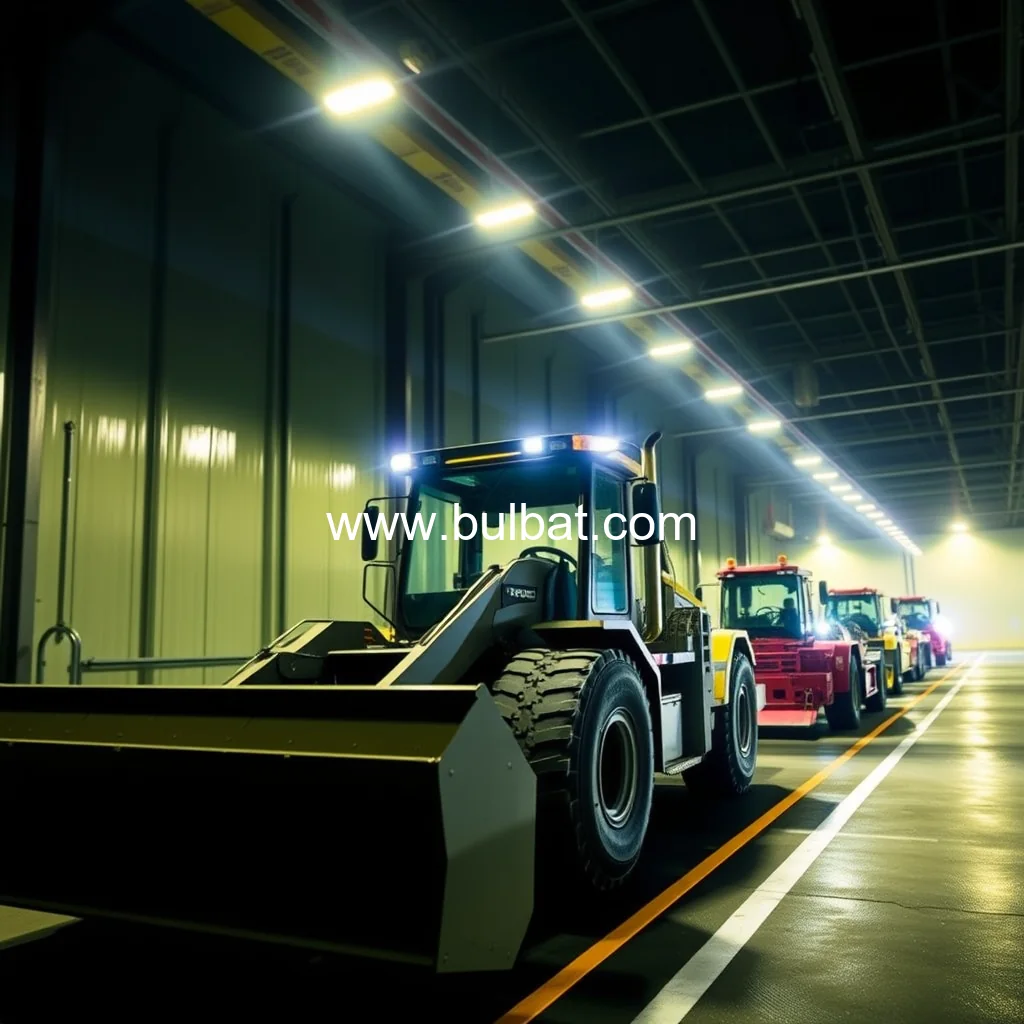
Low maintenance: LED products require minimal maintenance, as they do not produce heat and do not have moving parts.
Low maintenance requirements.
The Unyielding Nature of LED Lighting
In the realm of heavy-duty applications, where harsh conditions and extreme temperatures prevail, LED lighting stands out as a beacon of reliability and durability. The factors that contribute to its superior durability are multifaceted and far-reaching, making it an ideal choice for industries that demand high-performance lighting solutions.
Shock and Vibration Resistance
One of the most critical aspects of LED lighting in heavy-duty applications is its ability to withstand shock and vibration. This is particularly important in industries such as manufacturing, construction, and transportation, where equipment and machinery are subject to sudden impacts and movements. LED lights are designed to absorb and dissipate the energy of these shocks, ensuring that they remain operational and undamaged.
The Benefits of LED-based Systems
LED-based systems offer numerous benefits, including:
Energy efficiency: LED lights use significantly less energy than traditional incandescent bulbs, making them an attractive option for applications where energy conservation is a priority. Long lifespan: LED lights can last up to 25 times longer than traditional lights, reducing the need for frequent replacements and minimizing waste. Durability: LED lights are resistant to shock, vibration, and extreme temperatures, making them ideal for applications where reliability is critical. Environmental benefits: LED lights are free of toxic chemicals like mercury and lead, making them a more environmentally friendly option. ## Applications for LED-based Systems
Applications for LED-based Systems
LED-based systems are suitable for a wide range of applications, including:
Industrial settings: LED lights are often used in industrial settings where energy efficiency and reliability are critical. Commercial spaces: LED lights are commonly used in commercial spaces, such as offices, restaurants, and retail stores, where energy efficiency and ambiance are important. Residential areas: LED lights are also used in residential areas, such as homes and apartments, where energy efficiency and ambiance are important. Outdoor applications: LED lights are used in outdoor applications, such as streetlights, parking lots, and landscaping, where energy efficiency and durability are critical. ## The Future of LED-based Systems
The Future of LED-based Systems
The future of LED-based systems looks bright, with advancements in technology leading to even greater energy efficiency and longer lifespans. As the demand for energy-efficient lighting solutions continues to grow, LED-based systems are likely to play an increasingly important role in reducing energy consumption and promoting sustainability.
Conclusion
In conclusion, LED-based systems offer a range of benefits, including energy efficiency, long lifespan, durability, and environmental benefits.
Here are some of the benefits of using LED lighting in various industries:
Benefits of LED Lighting in Heavy-Duty Industries
General Benefits
Energy Efficiency: LED lights use significantly less energy than traditional lighting options, making them an attractive choice for industries that require high levels of illumination. Longer Lifespan: LED lights have a much longer lifespan than traditional lighting options, reducing the need for frequent replacements and maintenance. Durability: LED lights are resistant to shock, vibration, and extreme temperatures, making them ideal for use in harsh environments.
Industrial Applications
Manufacturing: LED lighting is commonly used in manufacturing facilities to provide high levels of illumination for tasks such as welding, assembly, and inspection. Warehousing: LED lighting is used in warehouses to provide bright, even lighting for inventory management and storage. Construction: LED lighting is used in construction sites to provide bright, energy-efficient lighting for tasks such as excavation, demolition, and building.
Safety and Security Benefits
Reduced Risk of Accidents: LED lighting can help reduce the risk of accidents by providing clear visibility and reducing glare. * Improved Security: LED lighting can be used to deter intruders and improve security by providing bright, visible lighting for areas such as parking lots and walkways.
Environmental Benefits
Reduced Carbon Footprint: LED lighting can help reduce the carbon footprint of industries by using significantly less energy than traditional lighting options.
LED lighting is known for its energy efficiency, long lifespan, and durability, making it an attractive option for industries such as construction, manufacturing, and logistics.