Lighting Technologies for Small Spaces
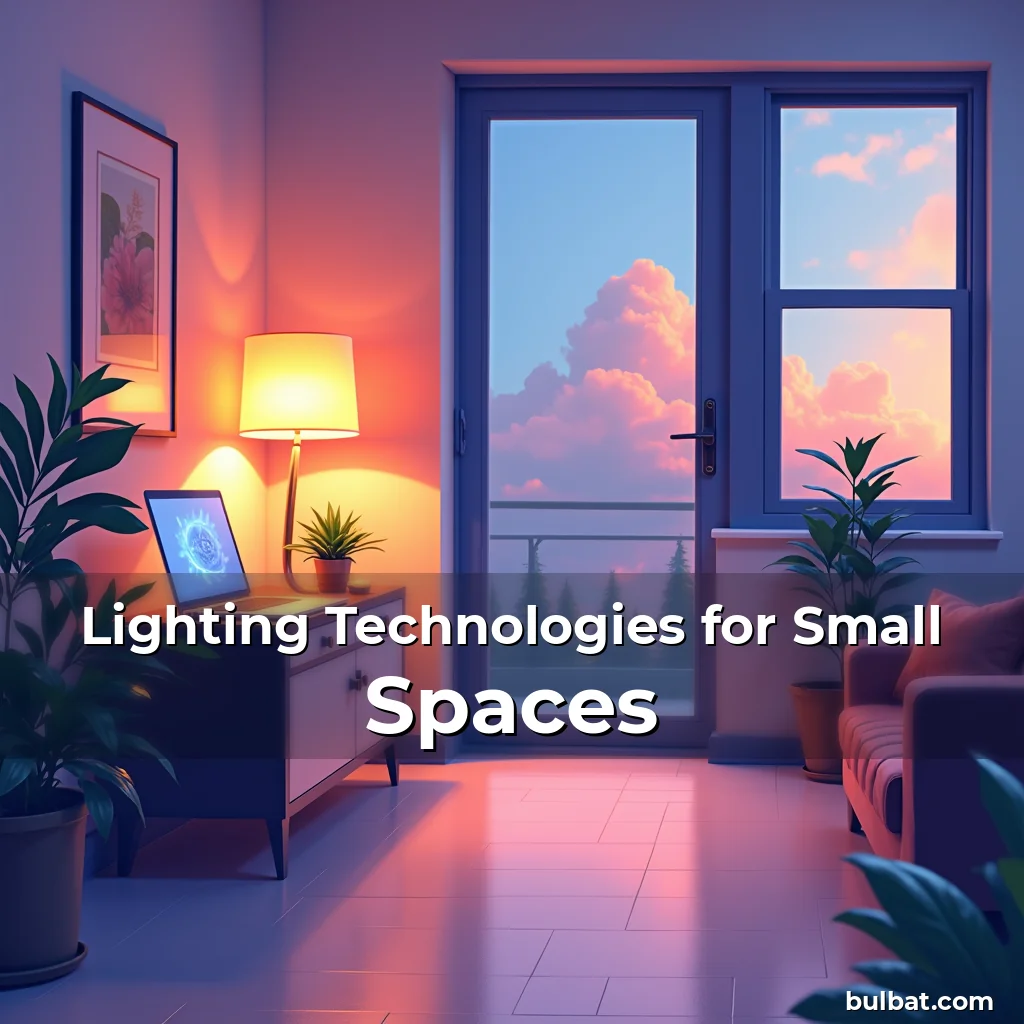
Transform Your Space with Smart Lighting Solutions
In an era where energy efficiency meets innovation, lighting technology has evolved beyond mere illumination. From LED advancements to smart home integration, modern solutions offer unparalleled flexibility, sustainability, and style.
The right lighting can transform any space—whether it’s a cozy living room, a productive office, or a vibrant retail environment. Understanding today’s diverse options empowers you to make informed choices that enhance both functionality and aesthetics.
The Evolution of Lighting Technology
Lighting has come a long way from candles and oil lamps. Early civilizations relied on fire-based sources, while gas lighting revolutionized urban spaces in the 19th century.
Incandescent bulbs marked another milestone, bringing affordable light to homes worldwide. However, their inefficiency paved the way for innovations like fluorescent tubes and eventually LEDs.
Todays lighting solutions are not only brighter but also smarter. With IoT integration, users can control lights remotely, adjust brightness, and even automate schedules based on time of day or occupancy sensors.
Understanding Light Emitting Diodes (LEDs)
LEDs have become the gold standard in modern lighting due to their longevity and energy efficiency. Unlike traditional bulbs, they consume significantly less power while producing high-quality light.
These semiconductor devices emit light when electrons move through a material called a diode. Their directional nature allows precise placement without needing additional reflectors or diffusers.
Energy savings: LEDs use up to 80% less energy than incandescent bulbs. Over time, this translates into substantial cost reductions for homeowners and businesses alike.
Environmental impact: The extended lifespan of LEDs means fewer replacements and reduced waste. This makes them a sustainable choice aligned with global green initiatives.
Sustainable Lighting Practices
Achieving sustainable lighting requires more than just switching to LEDs. It involves strategic planning, efficient usage patterns, and embracing eco-friendly materials wherever possible.
Implementing motion sensors ensures lights remain off during periods of non-use. For outdoor areas, solar-powered options harness renewable energy effectively.
Smart thermostats paired with intelligent lighting systems create synergistic benefits. Adjustments made by these devices optimize overall building performance and comfort levels simultaneously.
Case Study: Green Building Implementation
A commercial office complex in California recently implemented advanced daylight harvesting techniques combined with dimmable LED fixtures. Results showed energy consumption dropped by over 60% compared to conventional setups.
This real-world example highlights how integrating various technologies can yield remarkable environmental and financial advantages. Other organizations seeking similar outcomes might consider adopting analogous strategies tailored to their specific needs.
Advanced Lighting Controls and Automation
Modern lighting systems now feature sophisticated controls that go beyond simple switches. These range from manual dimmers to fully automated environments managed via smartphones or voice assistants.
Voice-controlled interfaces allow seamless interaction between occupants and their surroundings. Commands such as “increase brightness” or “switch to warm white mode” enhance convenience and usability dramatically.
Automated scheduling functions ensure optimal utilization of natural light throughout different hours of operation. By syncing with sunrise/sunset times automatically, buildings maintain consistent ambiance without unnecessary electricity expenditure.
Design Considerations for Effective Illumination
Creating well-lit spaces demands thoughtful design approaches rather than random placements of fixtures. Factors including color temperature, lumens output, and beam angles play crucial roles here.
Warm tones around 2700K promote relaxation whereas cooler hues at 4000K or above boost alertness making them ideal for workspaces. Selecting appropriate temperatures helps achieve desired atmospheres effortlessly.
Lumens determine actual brightness level required; higher values indicate stronger illumination capability suitable for task-oriented zones like kitchens or reading corners.
The angle at which light spreads affects coverage area coverage. Narrow beams target specific spots precisely while wide ones provide broader ambient illumination across larger regions efficiently.
The Role of Natural Light Integration
Natural light is arguably most beneficial form available since it doesn’t require external energy inputs whatsoever. Maximizing its potential leads towards significant energy bill savings alongside improved occupant wellbeing.
Strategic window placement along with reflective surfaces amplifies indoor illumination considerably reducing dependency upon artificial sources. Skylights prove particularly effective when situated correctly within structures.
Use of sheer curtains filters harsh sunlight yet maintains visibility inside rooms comfortably creating balanced lighting conditions throughout varying weather conditions.
Interior designers often recommend incorporating mirrored elements strategically placed near windows so that daylight gets reflected further enhancing visual spaciousness perception among inhabitants naturally.
Futuristic Innovations in Lighting Technology
As we look ahead, emerging technologies promise exciting possibilities reshaping our understanding about what constitutes adequate illumination today.
Organic light-emitting diodes (OLEDs) represent next generation display tech capable of being bent shaped molded onto curved surfaces offering new aesthetic dimensions previously unattainable using rigid panels alone.
Bio-inspired designs inspired biological processes found within organisms open doors toward self-sustaining ecosystems where photovoltaics coexist harmoniously integrated seamlessly into everyday life experiences unexpectedly.
Quantum dot displays utilize nanotechnology enabling ultra-high-definition visuals achievable nowhere else currently thereby redefining standards expected from digital screens globally moving forward definitively.
Choosing the Right Lighting System for Your Needs
Selecting an appropriate system begins assessing individual requirements thoroughly before committing resources permanently thereafter.
Consider factors such as size volume capacity plus frequency duration each fixture will operate continuously under normal circumstances regularly throughout lifecycle expectancy period.
Evaluate whether preference lies towards fixed installations versus portable units based primarily upon mobility expectations associated particular application scenario envisioned ultimately.
Lastly assess budget constraints upfront clearly establishing realistic limitations ensuring decisions taken align closely with personal priorities accurately reflecting true value propositions provided respectively offered alternatives accessible market today conveniently.
Conclusion
From historical developments to cutting-edge automation, lighting technologies continue evolving rapidly offering endless opportunities transforming interiors into dynamic interactive environments seamlessly blending utility aesthetics perfectly together harmoniously.
By staying informed regarding latest trends innovations continually emerge constantly monitoring industry changes proactively adapting accordingly enables individuals communities leverage full potential afforded contemporary advances shaping future landscapes appropriately responsibly sustainably equitably inclusively broadly universally benefitting everyone involved positively constructively.