Should we worry about electric vehicle fires?
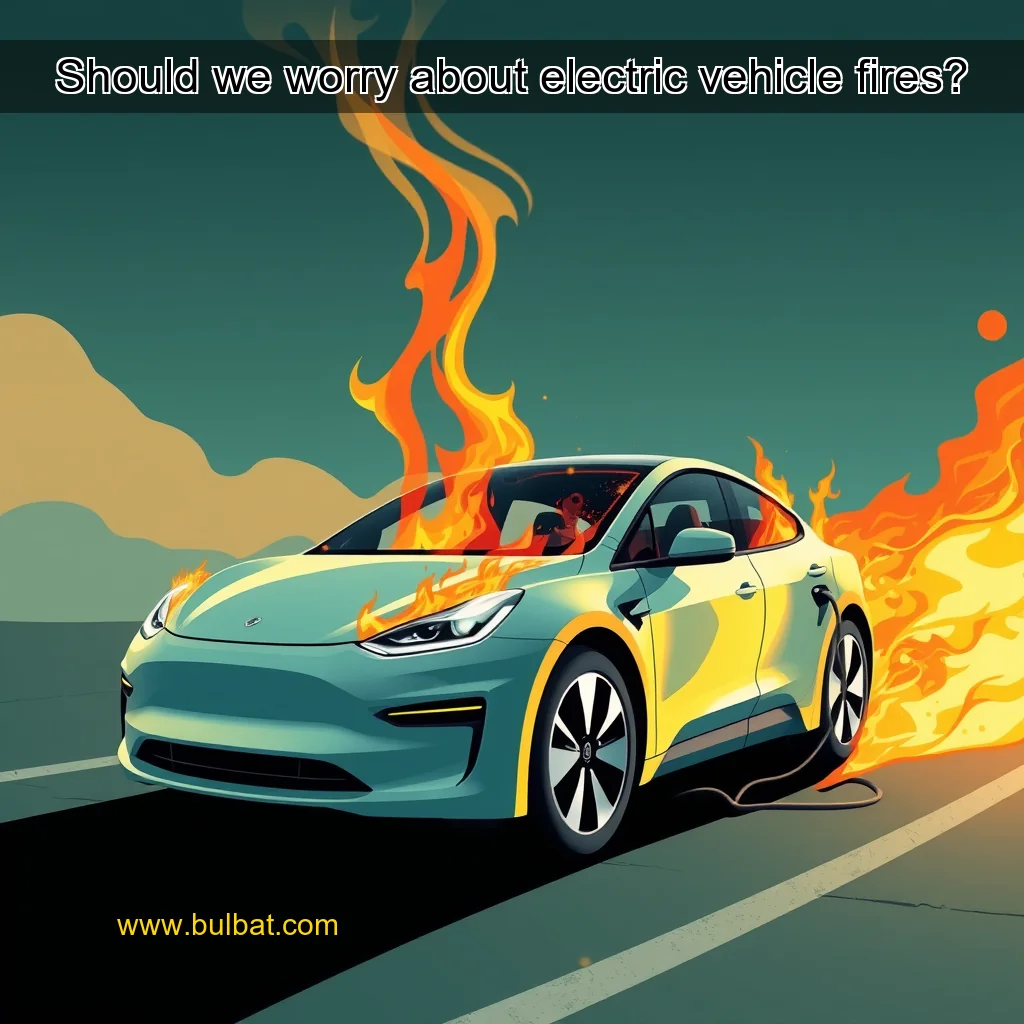
In this article, we’ll delve into the fire risks associated with lithium-ion batteries in EVs and explore potential solutions to mitigate these risks.
The Fire Risks of Lithium-Ion Batteries in EVs
Lithium-ion batteries are the heart of electric vehicles, providing the necessary energy to propel them forward. However, these batteries also pose significant fire risks, particularly in confined spaces such as the vehicle’s battery pack or electrical system. Thermal runaway: Lithium-ion batteries can experience thermal runaway, a self-sustaining chemical reaction that can lead to a rapid increase in temperature, potentially causing a fire. Electrical shorts: Electrical shorts can occur when there is a fault in the battery’s electrical connections, leading to a short circuit and potentially causing a fire. * Overcharging: Overcharging can cause lithium-ion batteries to heat up, increasing the risk of a fire.**
The Consequences of Lithium-Ion Battery Fires in EVs
The consequences of lithium-ion battery fires in EVs can be severe, including:
Thermal runaway: A complex phenomenon that can have severe consequences.
Thermal runaway can occur in various materials, including plastics, metals, and other combustible substances.
Understanding Thermal Runaway
Thermal runaway is a complex phenomenon that involves the interplay of multiple factors, including temperature, heat transfer, and material properties. It is often characterized by a sudden and dramatic increase in temperature, which can lead to catastrophic consequences.
Factors Contributing to Thermal Runaway
Consequences of Thermal Runaway
Thermal runaway can have severe consequences, including:
However, their higher energy density and higher power density make them more susceptible to thermal runaway.
Safety Concerns of NMC Batteries
NMC batteries are more prone to thermal runaway due to their higher energy density and higher power density. This makes them a major safety concern, as they can quickly overheat and catch fire. Higher energy density: NMC batteries have a higher energy density than LFP batteries, which means they can store more energy per unit of weight. Higher power density: NMC batteries have a higher power density than LFP batteries, which means they can deliver more power per unit of weight.*
Thermal Runaway Risks
Thermal runaway is a critical safety concern for NMC batteries. When a battery is subjected to high temperatures, it can cause a chain reaction of thermal runaway, leading to a rapid increase in temperature and potentially catastrophic consequences.
We analyzed data from 24 studies that investigated the thermal performance of lithium-ion battery packs. These studies focused on the thermal behavior of individual cells, but we wanted to understand how the entire pack behaves under various conditions.
Understanding the Thermal Performance of Lithium-Ion Battery Packs
Lithium-ion battery packs are a crucial component of electric vehicles (EVs) and other portable electronics. However, their thermal performance is a critical factor in determining their overall safety and efficiency. In this article, we will delve into the thermal performance of lithium-ion battery packs, exploring the results of 24 studies that investigated the thermal behavior of individual cells and the entire pack.
Thermal Behavior of Individual Cells
The thermal behavior of individual cells is a well-studied topic in the field of lithium-ion batteries. These studies have shown that lithium-ion cells can experience a range of thermal behaviors, including:
These studies have provided valuable insights into the thermal behavior of individual cells, but they do not necessarily reflect the thermal performance of entire battery packs.
Thermal Behavior of Lithium-Ion Battery Packs
While individual cell studies have provided valuable insights, they do not capture the complexity of thermal behavior in full battery packs. A full battery pack contains thousands of cells, each with its own thermal behavior.
Understanding the Safety Concerns of Electric Vehicles
Electric vehicles (EVs) have gained significant attention in recent years due to their environmental benefits and reduced operating costs. However, concerns about their safety have also been raised, particularly regarding battery fires. In this article, we will delve into the safety concerns of EVs, focusing on the differences between NMC and LFP batteries.
Battery Types: NMC and LFP
Two primary types of lithium-ion batteries used in EVs are Nickel Manganese Cobalt (NMC) and Lithium Iron Phosphate (LFP). While both types have their advantages, they also have distinct safety profiles.
NMC Batteries
NMC batteries are widely used in EVs due to their high energy density and relatively low cost. However, they pose a higher risk of thermal runaway, which can lead to fires. This is because NMC batteries contain cobalt, a flammable metal that can ignite when exposed to high temperatures. Key characteristics of NMC batteries: + Higher energy density + Lower cost + Higher risk of thermal runaway + Contains cobalt, a flammable metal
LFP Batteries
LFP batteries, on the other hand, are known for their stability and safety. They contain iron phosphate, which is less reactive and less prone to thermal runaway. LFP batteries also exhibit a lower heat release rate (HRR), making them a more attractive option for EVs. Key characteristics of LFP batteries: + Lower energy density + Higher cost + Lower risk of thermal runaway + Exhibits lower HRR
Assessing EV Safety
When assessing the safety of EVs, it is essential to consider the battery type and capacity.
Fire Safety Concerns at Electric Vehicle Charging Stations: A Growing Risk for Property and People.
Fire Safety Concerns at Electric Vehicle Charging Stations
The increasing adoption of electric vehicles (EVs) has led to a growing concern about fire safety at charging stations. As the number of EVs on the road continues to rise, so does the risk of fires occurring at charging stations. In this article, we will explore the fire safety concerns at EV charging stations and discuss the importance of effective fire prevention systems.
Understanding the Risks
- Electrical malfunctions
- Overheating of charging equipment
- Poor maintenance of charging stations
- Human error
- Property damage
- Injury to people
- Environmental harm
The Importance of Fire Prevention Systems
Effective fire prevention systems are crucial at EV charging stations, particularly underground. These systems can help prevent fires from spreading and minimize the risk of damage to people and property.
Key Components of Fire Prevention Systems
Real-World Examples
Safeguard Your Garage with Proper Battery Storage Practices.
Safety Precautions for Garage Storage
When it comes to storing batteries in a garage, safety should be the top priority. A well-maintained garage with proper safety measures can prevent accidents and ensure a safe environment for both you and your family.